
Grinding and deburring aluminium
Choose your operation and find the right abrasives for aluminium, explained step by step. From removing the weld to an even final finish, without your disc clogging.
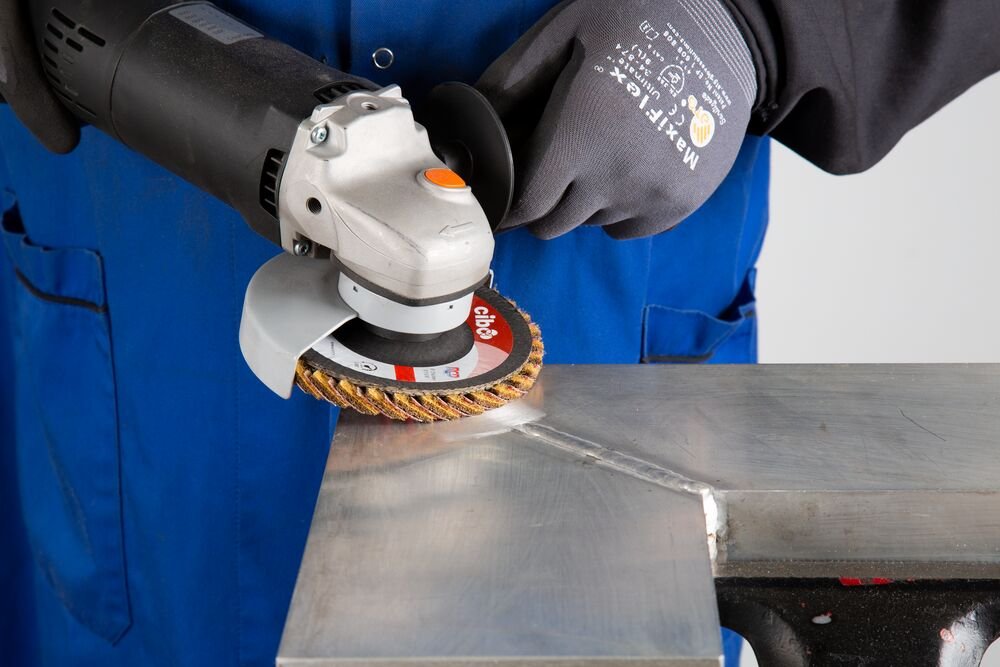
Weld removal
Grind the weld flat without going into the soft aluminium and without your disc clogging.
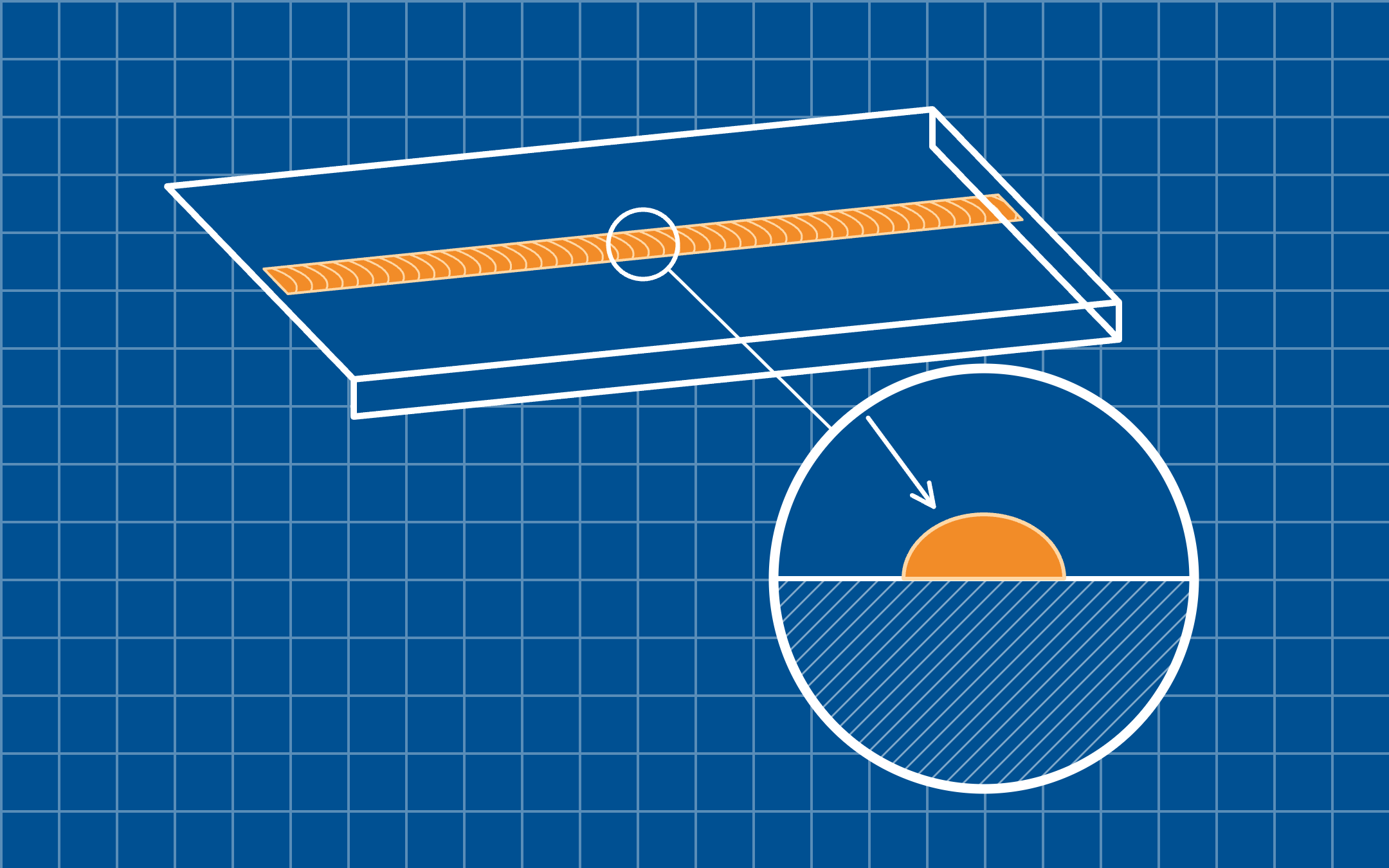
Removing a weld on a flat workpiece
Fast removal on plates and flat parts with the FX fibre disc, without the disc clogging.
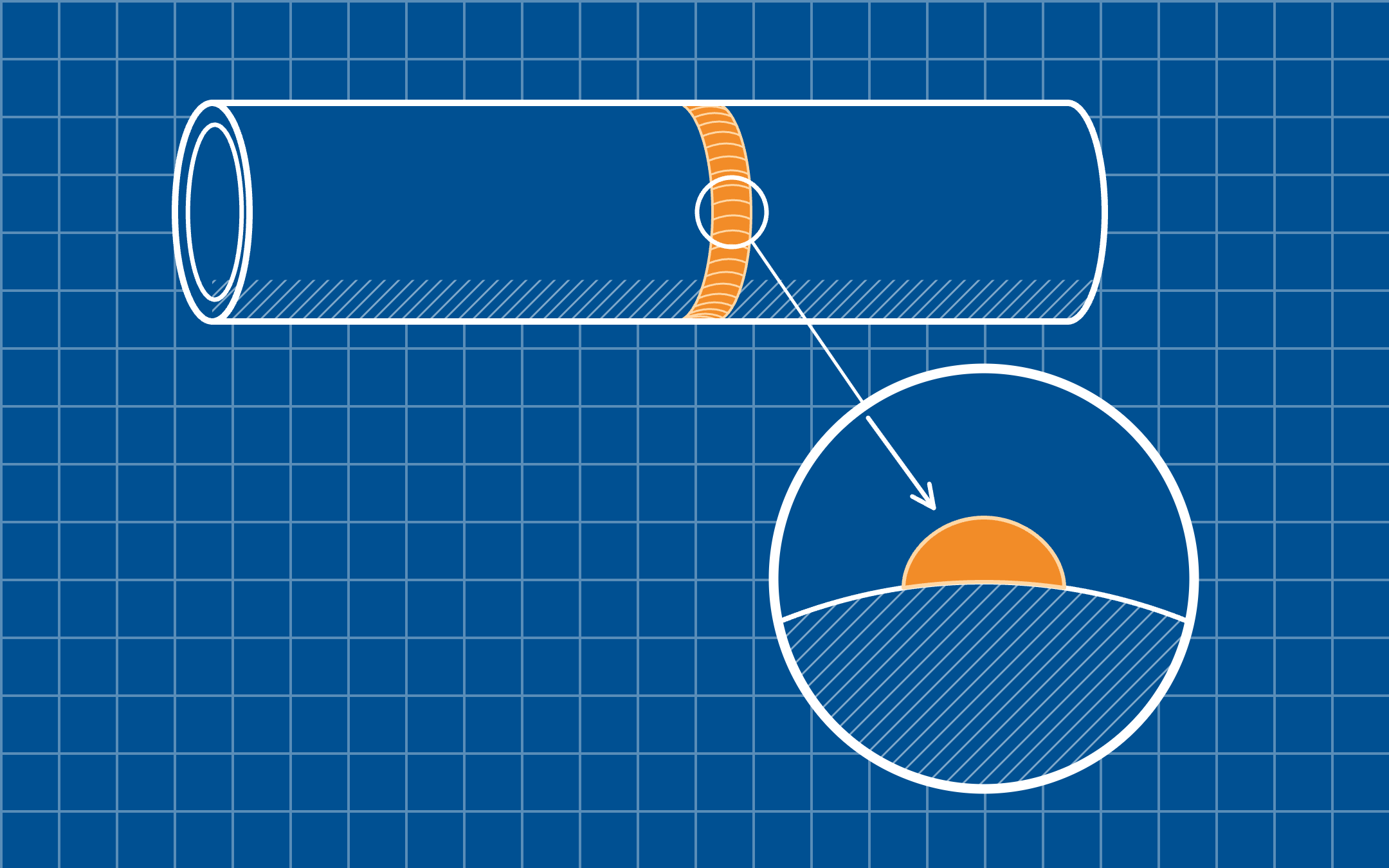
Removing a weld on a round workpiece
For tubes and round profiles. The RCD flap disc follows the curve, without flat spots.
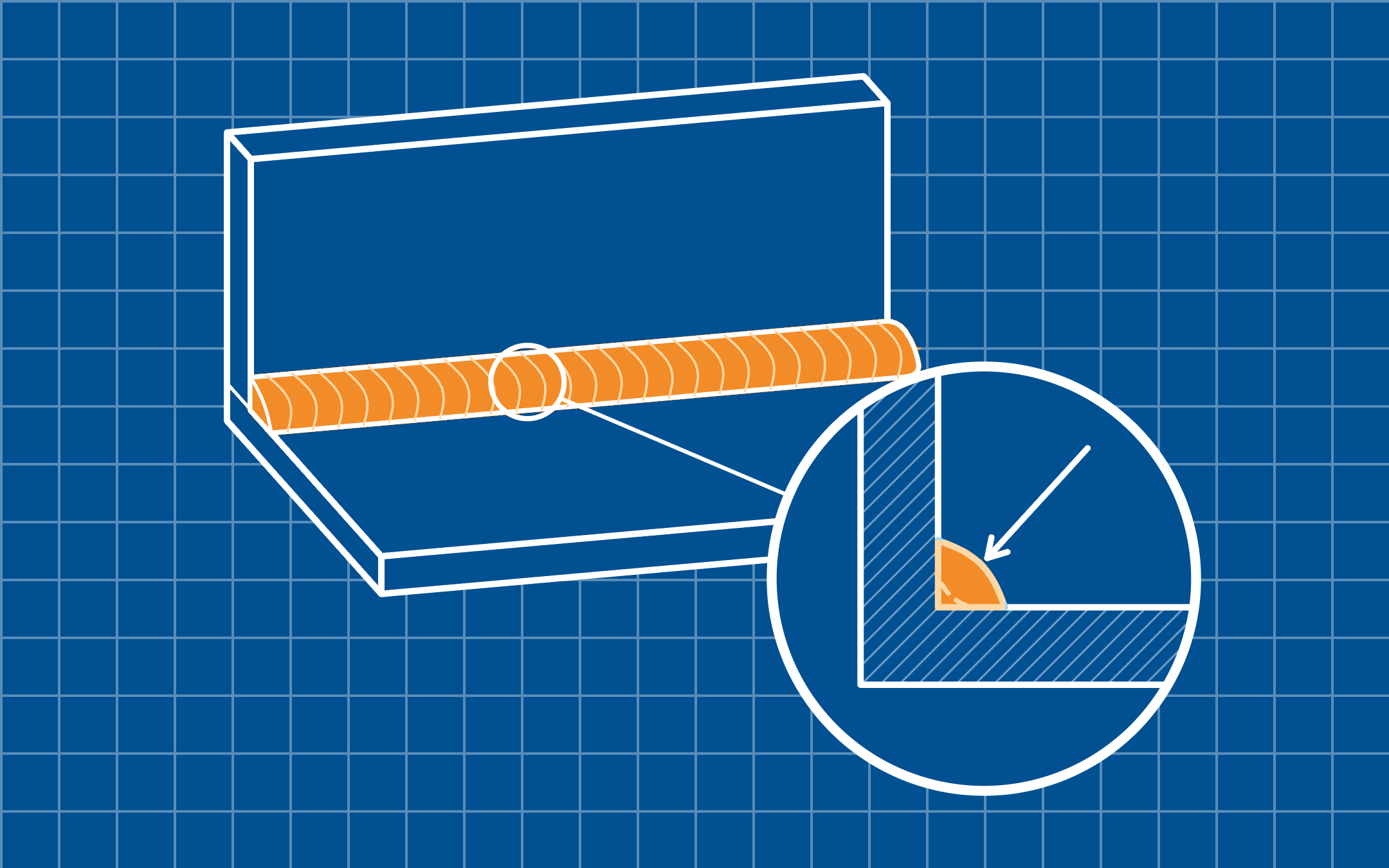
Removing a weld in an inside corner
For inside corners and 2D corners. The TA10 wheel works precisely, without touching the side walls.
Post-processing and cleaning
Remove scratches and burrs, and make sure your disc keeps cutting.
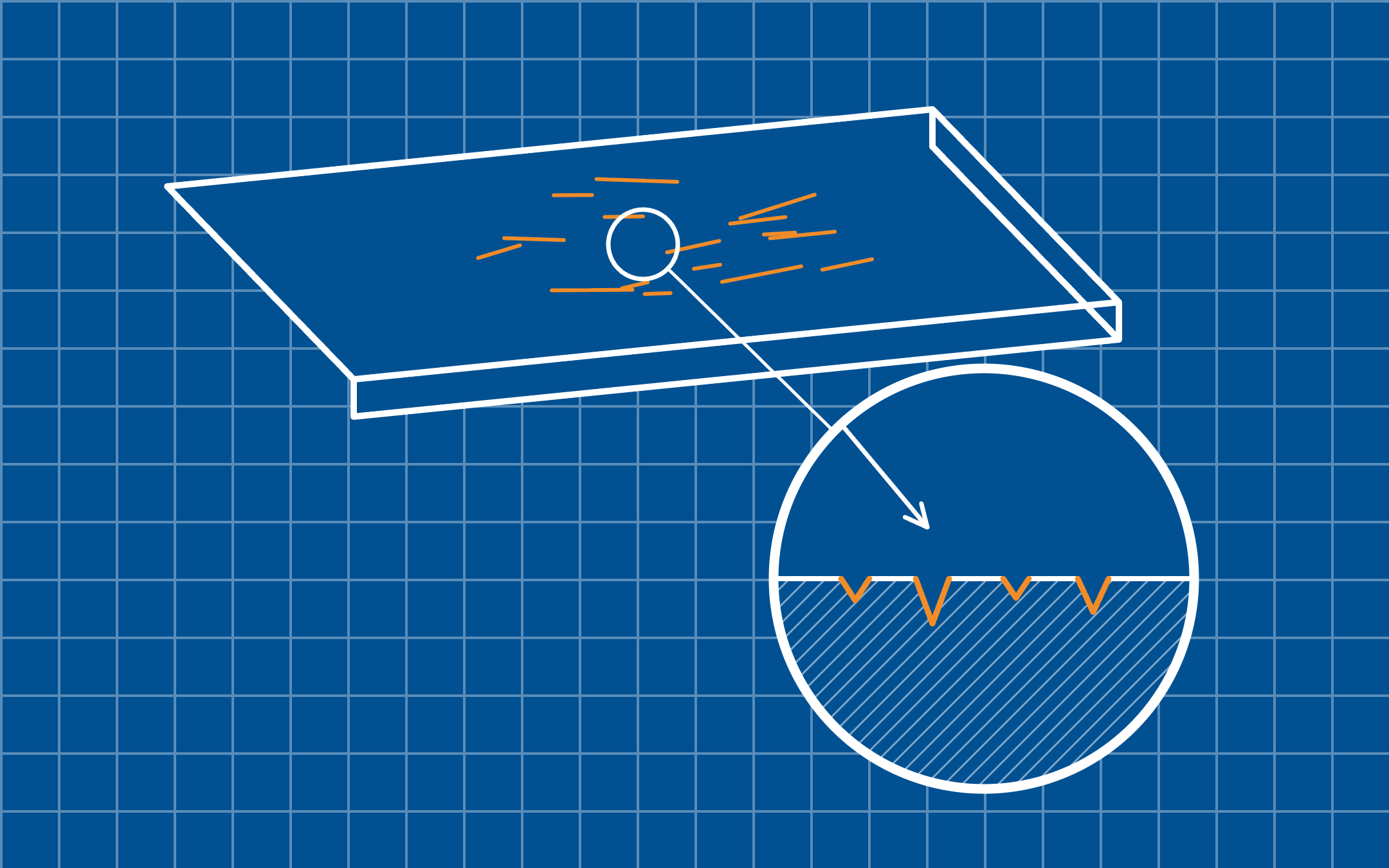
Removing scratches on flat surfaces
Remove scratches and damage evenly with the SAG unitized disc, without deforming the workpiece.
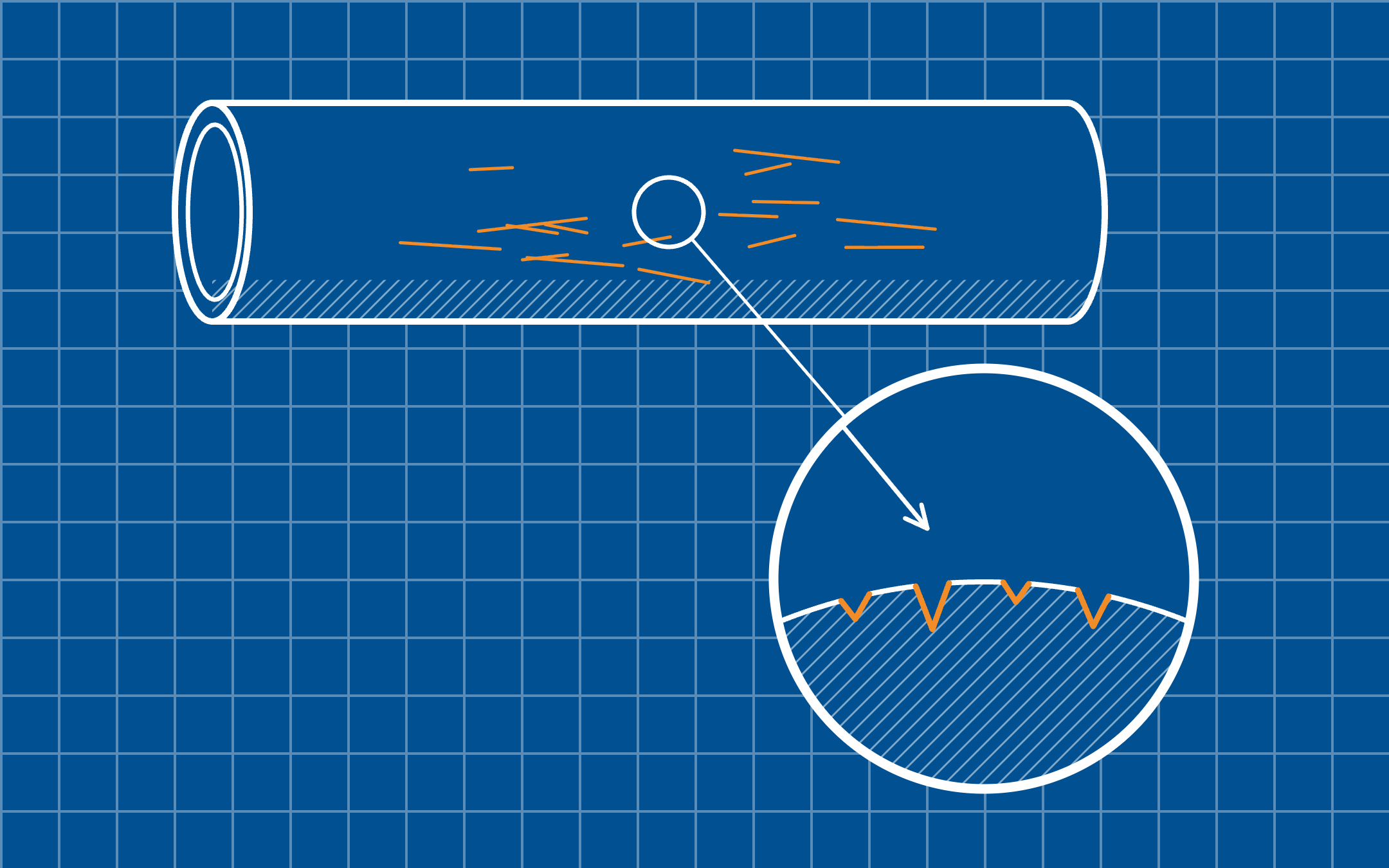
Removing scratches on round surfaces
Remove scratches on tubes and round profiles evenly with the SAG unitized disc, without deforming the workpiece.
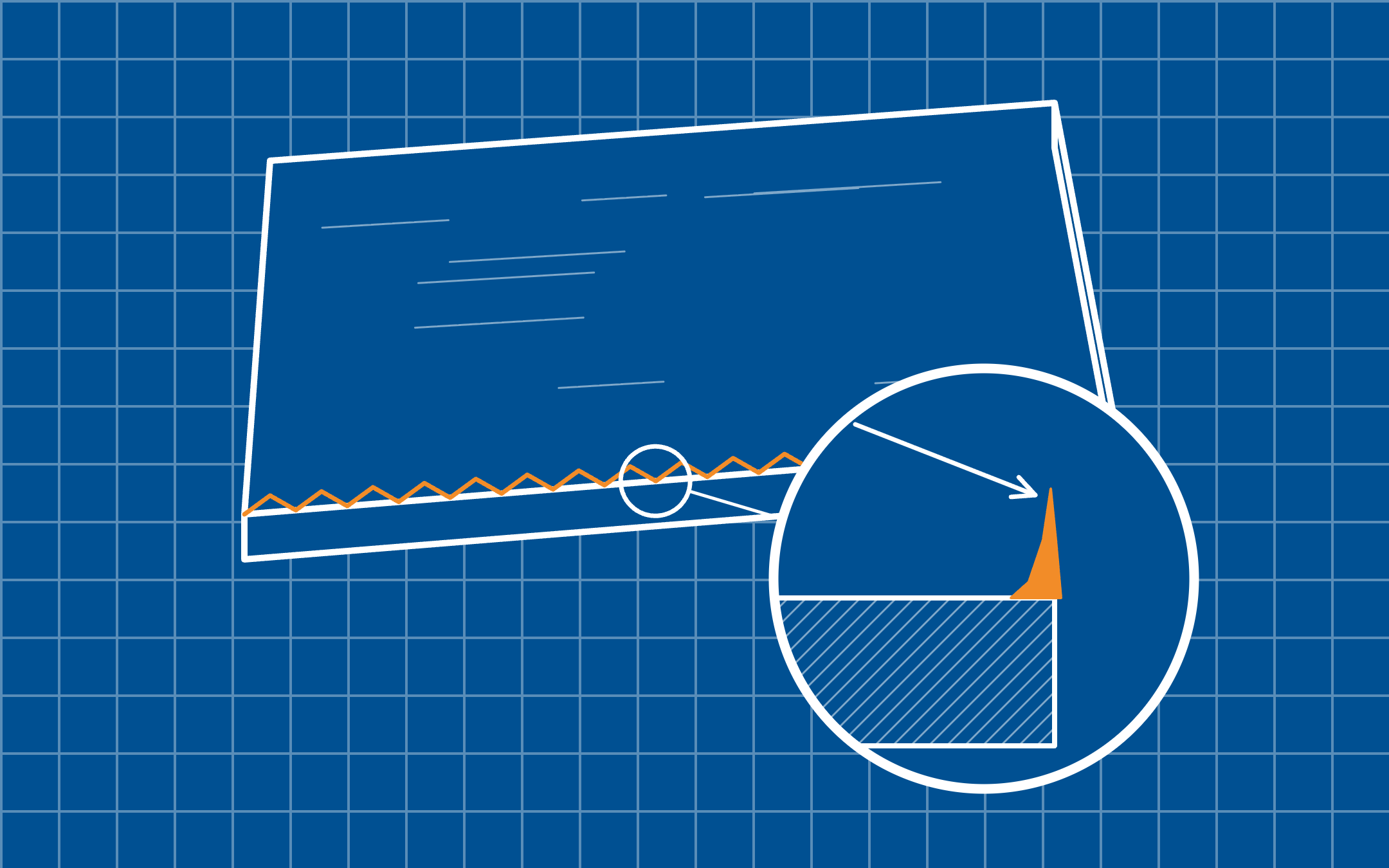
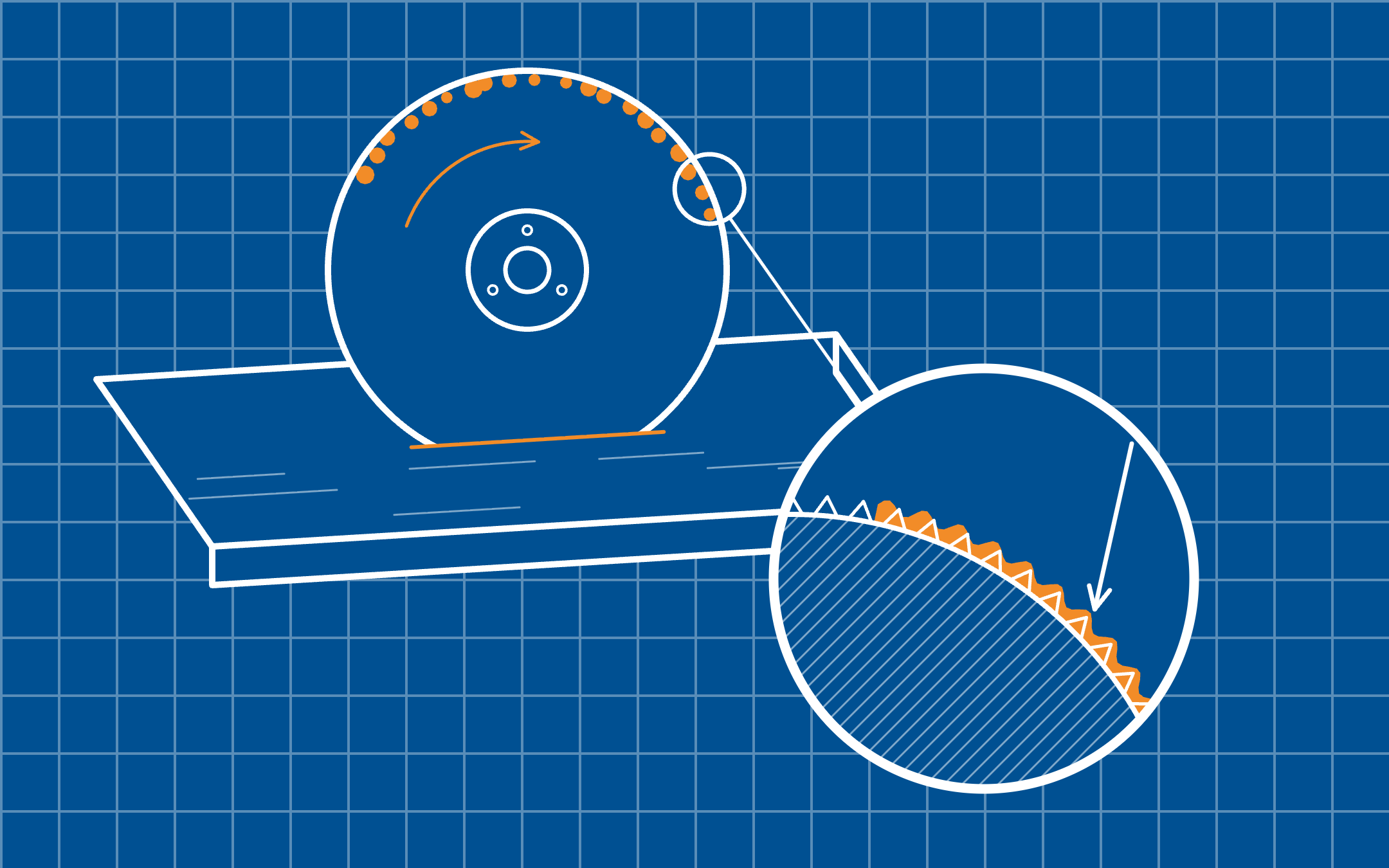
Preventing a cutting disc from clogging
Aluminium quickly sticks to the disc. With the SNAN cutting disc, you prevent the disc from clogging or sticking.
Finishing and uniformity
The final grinding step: a uniform scratch pattern over the entire workpiece, as the final finish.
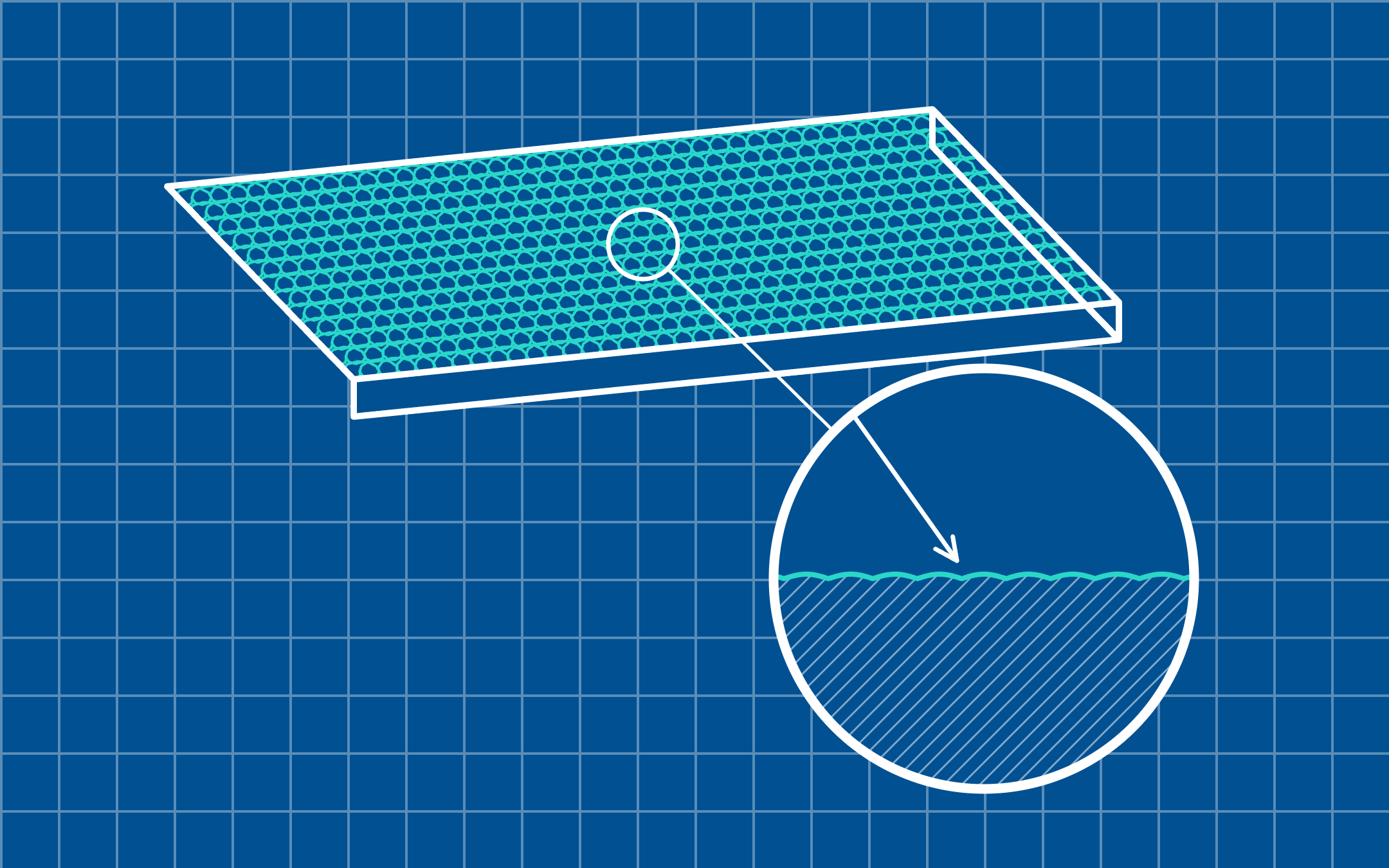
Uniform finishing of an aluminium surface
After removing welds or scratches, you often see different scratch patterns side by side. With the 331GR film grip disc, you make the surface even. This is the final grinding step and also your final finish.
Common mistakes when working on aluminium
Aluminium calls for an adapted approach. Because of its soft structure, discs clog faster and the surface is easily damaged. That’s why Cibo developed specific solutions for aluminium, from removing welds to a uniform finish.
Too much pressure
More heat, so the aluminium smears and the disc clogs and wears faster.
Remove welds with light pressure ›No anti-clogging solution
The disc clogs with aluminium, stops cutting and gets hot.
Prevent clogging ›Skipping grit steps
Scratches from the previous grit remain visible, even after the workpiece has been painted.
Even uniform finishing ›Reusing abrasives from steel
Remaining iron particles cause stains and corrosion on the aluminium.
Choose the right product ›Frequently asked questions about working on aluminium
Why does abrasive clog on aluminium?
Aluminium is a soft metal with a low melting point. Due to the heat during grinding, aluminium particles smear between the grains. The disc then clogs, stops cutting and wears faster. That’s why you choose abrasives with an active grinding additive or an open structure, and regularly spray SPAG Alu Grind Spray on your abrasive.
Which abrasives do you use for aluminium?
That depends on the operation. For welds on flat workpieces, use the FX fibre disc, for welds on round workpieces the RCD flap disc and in inside corners the TA10 wheel. You remove scratches with the SAG unitized disc, and for an even surface you use the 331GR film grip disc.
In what order do you grind aluminium?
Work in three steps: first remove the weld, then post-process and clean, and finally give the surface a uniform finish. Work from coarse to fine and don’t skip any grit, so each grit removes the scratches of the previous one.
Which grit sizes do you use for aluminium?
Coarse (P40 to P80) is used for fast stock removal, medium (P100 to P180) for levelling and fine (P220 and finer) for finishing. If the workpiece needs to be painted, grit 120 is sufficient for a paint-ready finish.
How do you extend the service life of your abrasive on aluminium?
Work with light, even pressure and let the disc do the work. Too much pressure creates more heat and therefore faster clogging. Regularly spray SPAG Alu Grind Spray on your abrasive and use the right back-up pad, such as the FIH, FIW or FIZ for fibre discs.
Why does a cutting disc clog on aluminium?
Due to friction, aluminium particles melt and stick to the disc. It then cuts less well, gets hotter and can jam in the cut. Use a cutting disc made for aluminium, such as the SNAN. You’ll find more information under preventing a cutting disc from clogging.

