
Grinding and finishing steel
Choose your operation and find the right abrasives for steel, explained step by step. From removing the weld to an even final finish, without overheating or unnecessary material use.
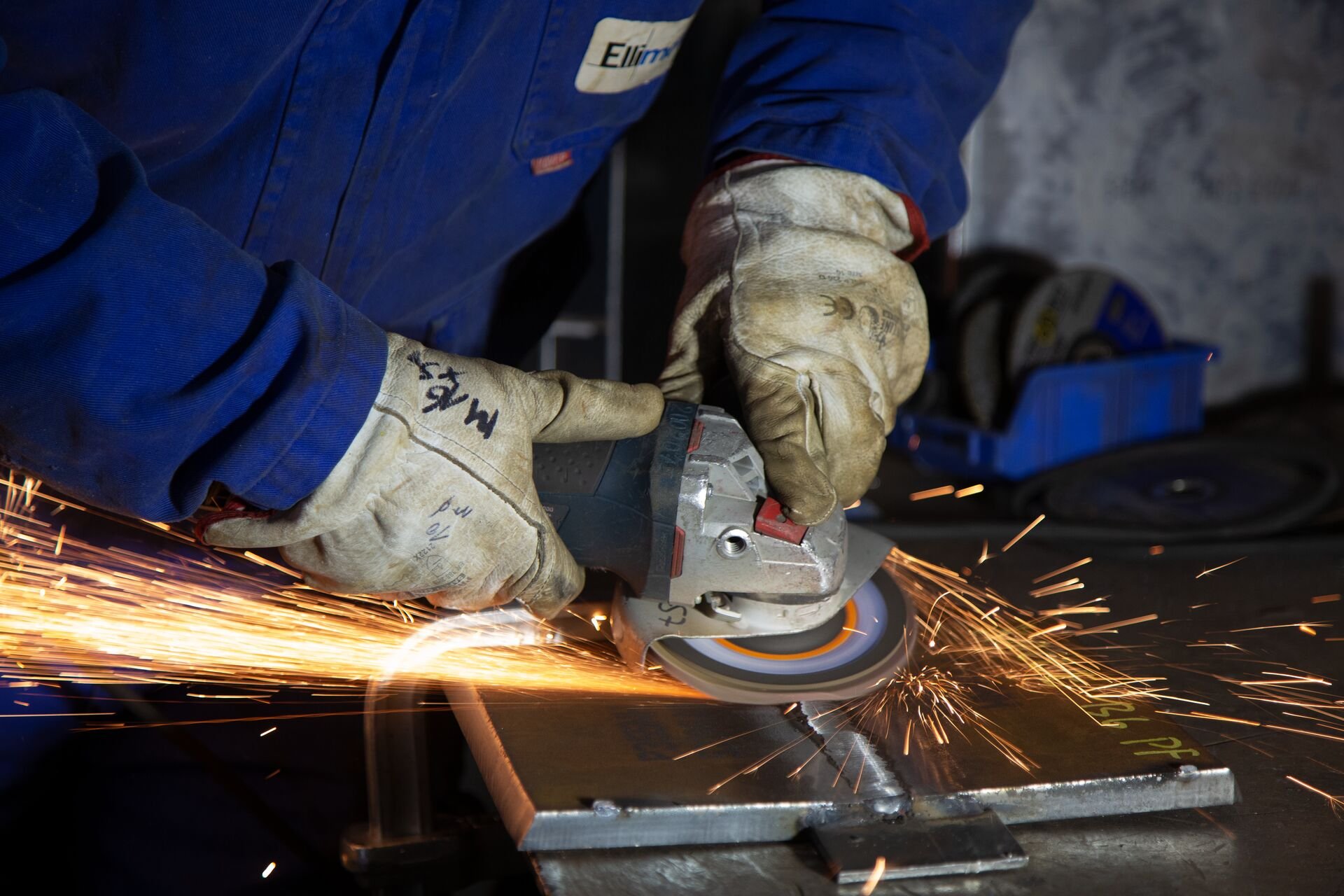
Weld removal
Grind the weld quickly and flat, without overheating and without going into the base material.
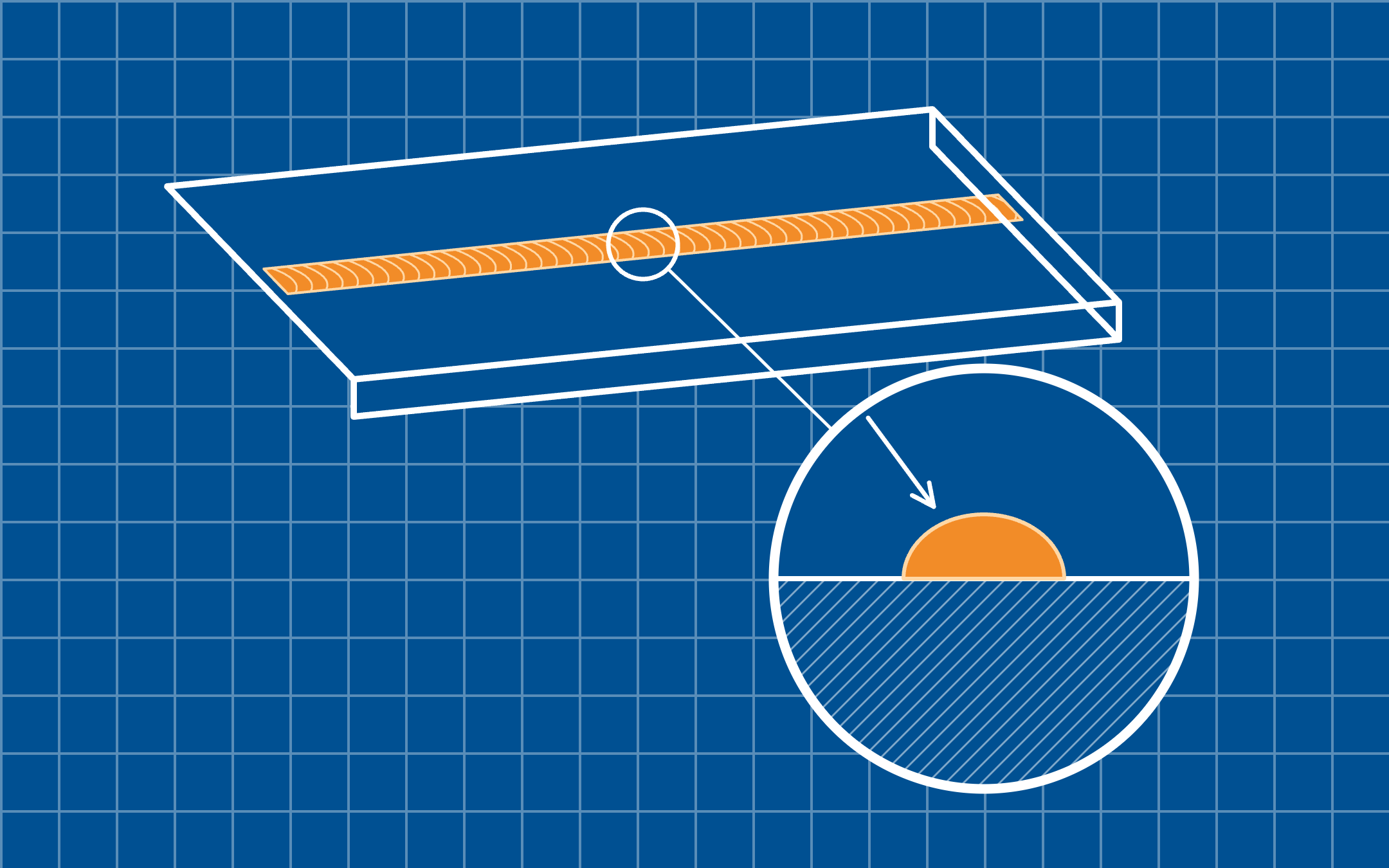
Removing a weld on a flat workpiece
Fast removal on plates and flat structures with the Actirox AF890 fibre disc, with plenty of control and little heat.
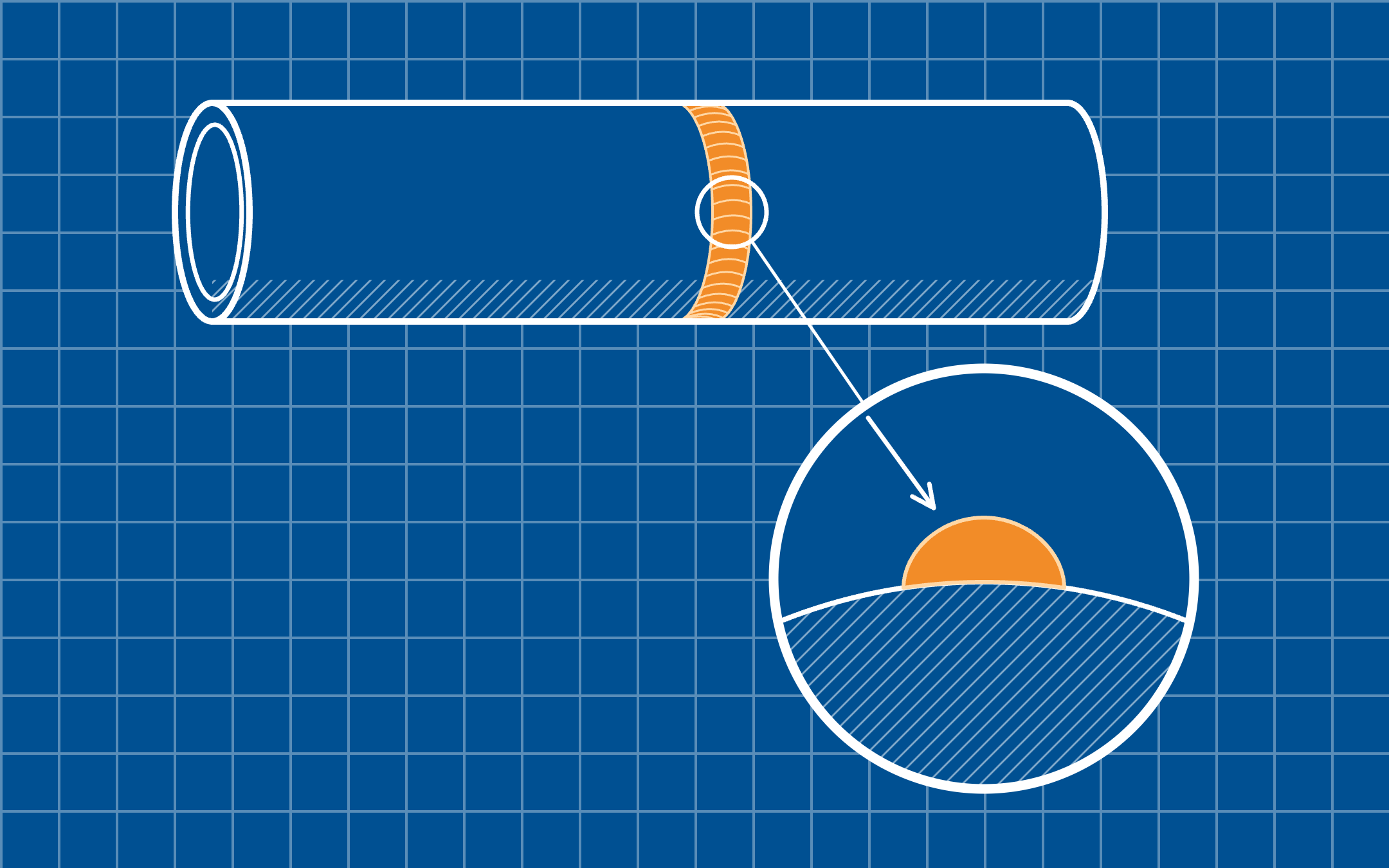
Removing a weld on a round workpiece
For tubes and round profiles. The Performance FPC flap disc follows the curve, without flat spots.
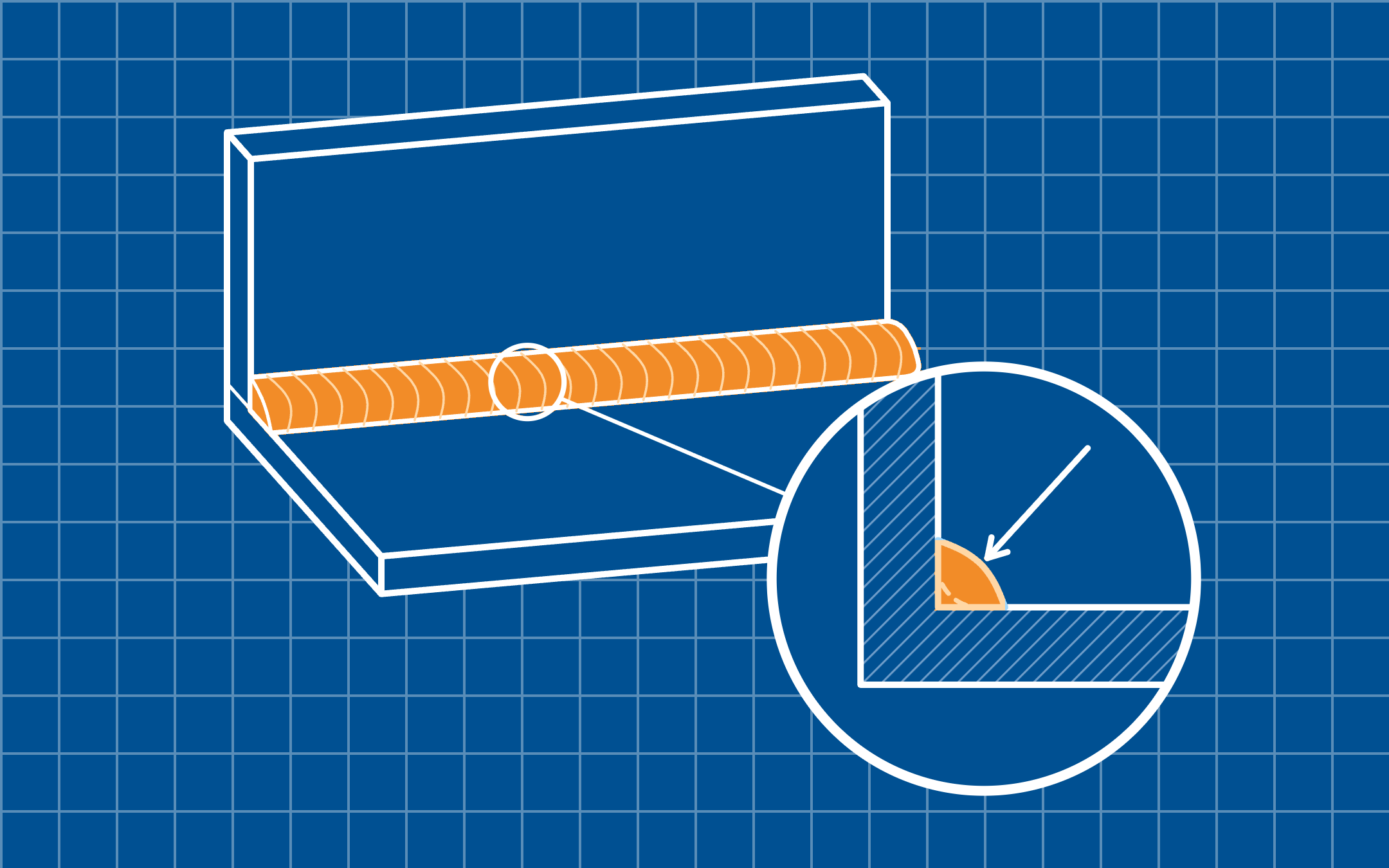
Removing a weld in an inside corner
For inside corners and 2D corners. The FOV flap disc or the TA10 wheel work precisely in the limited space.
Post-processing and cleaning
Remove burrs and deep grinding marks as preparation for an even finish.
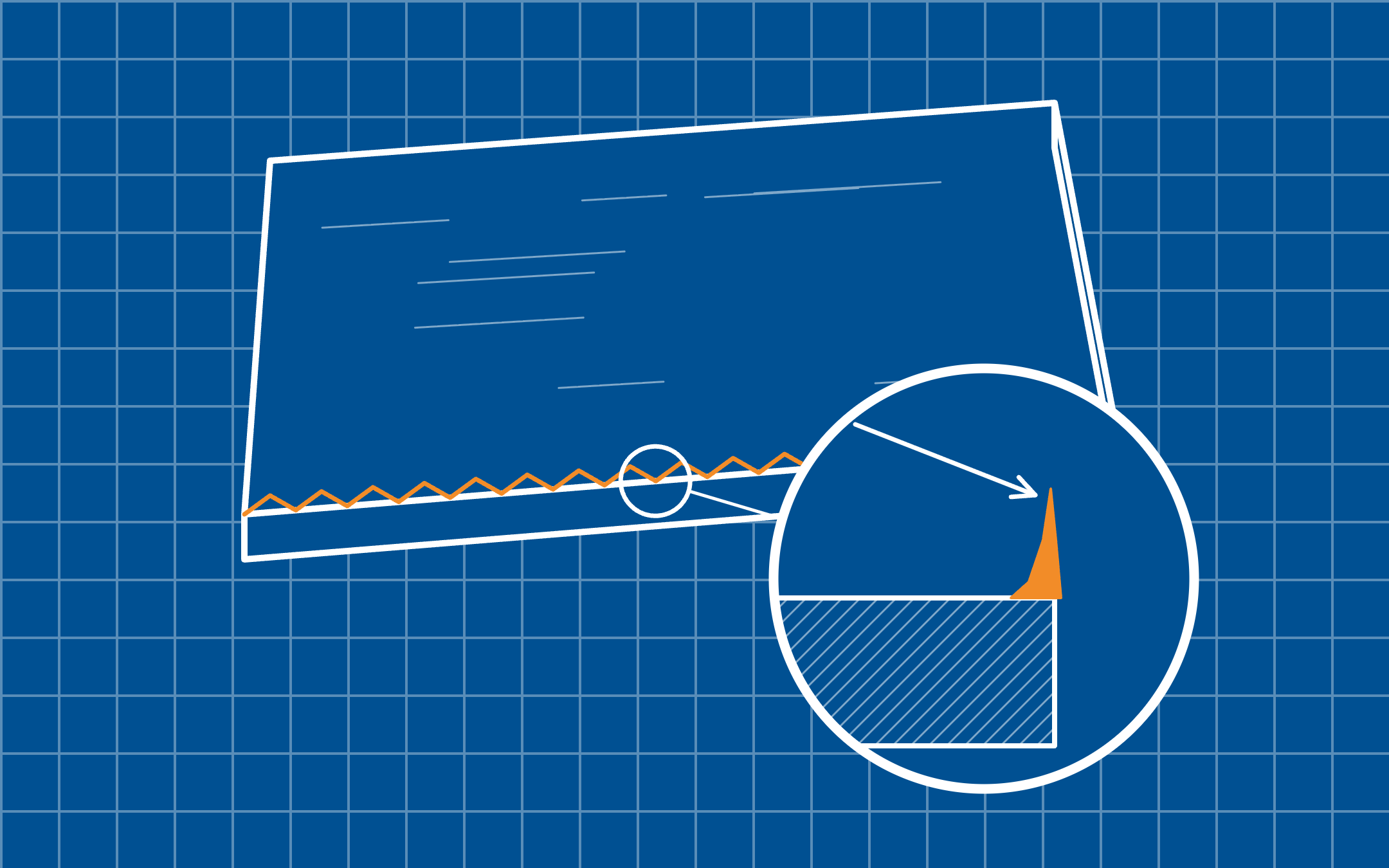
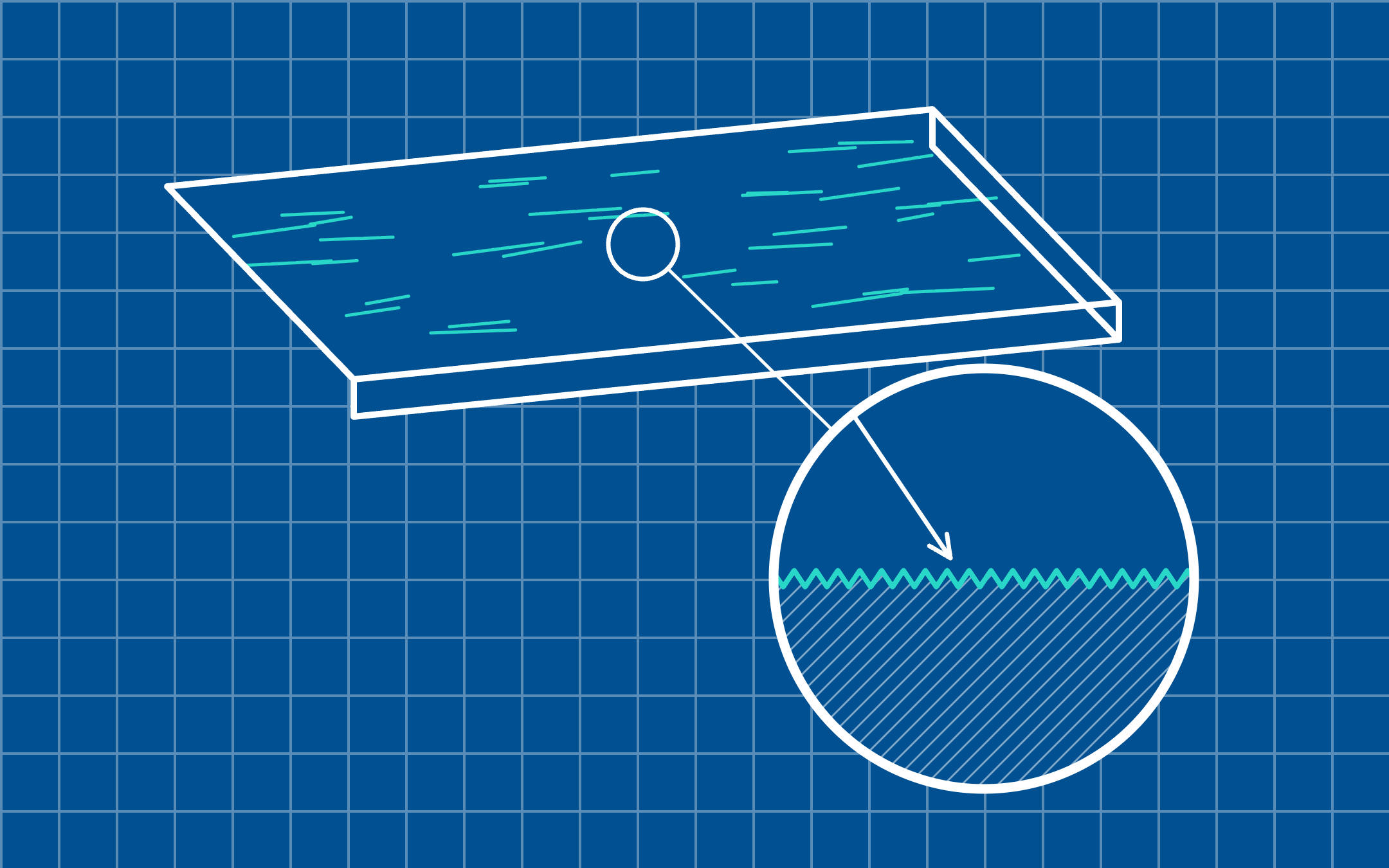
Cleaning after weld removal
Remove deep grinding marks with the VTMA and refine the scratch pattern with the FCGR. The surface is then ready for further finishing, painting or coating.
Finishing and uniformity
The final grinding step: a uniform scratch pattern over the entire workpiece, as the final finish.
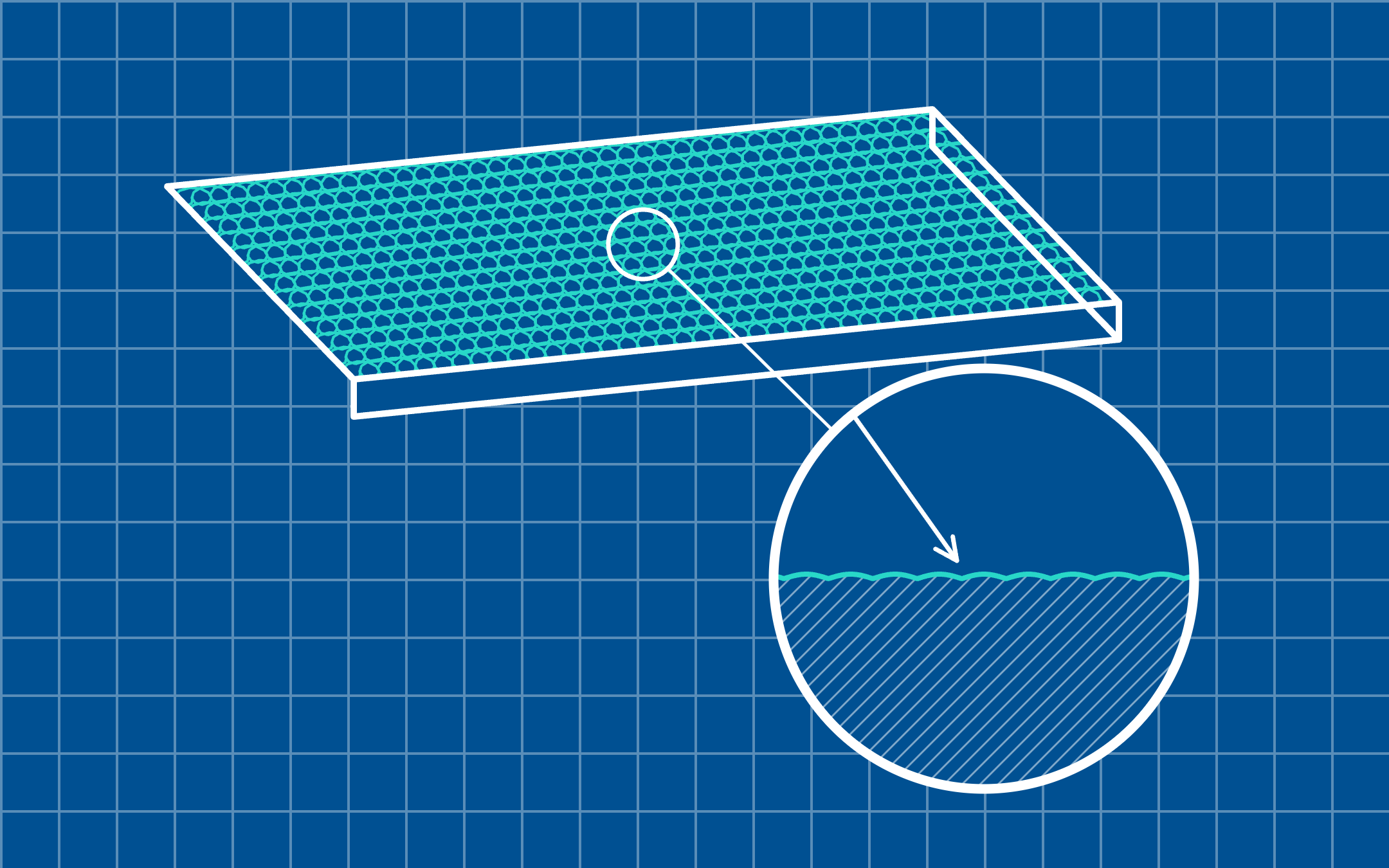
Uniform finishing of the surface
After removing the weld, you often see different scratch patterns side by side. With the FCGR film grip disc or the 330GR in grit 80 or 120, you make the surface even. This is the final grinding step and also your final finish.
Common mistakes when working on steel
Steel is a widely used but challenging material to work with. With the wrong abrasive or an inefficient approach, you lose time and money, and you get problems with the paintwork afterwards.
Wrong abrasive
Leads to overheating, fast wear or an irregular result.
Choose the right fibre disc ›Inefficient stock removal
The abrasive removes too little, so you work much longer than necessary.
Remove welds faster ›Wasting time and material
Wasting time and material increases costs unnecessarily.
Clean efficiently ›Insufficient preparation
If the surface isn’t even, you get problems with the paintwork afterwards.
Even uniform finishing ›Frequently asked questions about grinding steel
Which abrasives do you use for steel?
That depends on the operation. For welds on flat steel, use a fibre disc such as the Actirox AF890. On round steel, work with a flap disc such as the Performance FPC, and in inside corners with the FOV or the TA10. For cleaning after welding, choose the VTMA or the FCGR, and for uniform finishing grip discs such as the FCGR.
How do you prevent overheating when grinding steel?
Overheating is caused by too much pressure, grinding too long in one spot or an abrasive that is no longer sharp. Keep the disc moving and let the abrasive do the work. A self-sharpening ceramic grain helps: the Actirox AF890 also has a top size coating that reduces heat. Combine a fibre disc with a back-up pad with heat-dissipating ribs, such as the FIH or FIW.
How do you get an even finish on steel?
Work in steps from coarse to fine. After grinding away the weld, remove the deep grinding marks with the VTMA and refine the scratch pattern with the FCGR. Then make the surface even with grit 80 or 120, for example with the FCGR or the 330GR. That is the final grinding step and also your final finish.
What is the difference between a fibre disc and a flap disc?
A fibre disc, such as the Actirox AF890, combines very high stock removal with plenty of control and is ideal for welds on flat surfaces. A flap disc consists of overlapping abrasive flaps that flex with the workpiece. As a result, it follows curves better and removes and finishes in one movement. For round steel, you therefore choose a flap disc such as the Ultimate FTC or Performance FPC.
Where can I order Cibo abrasives or ask for advice?
You can easily order via our customer portal. Not sure which product best suits your application? Ask an expert, email [email protected] or call +32 (0)16 61 85 85 for advice or a demo.

