
Removing welds in inside corners or 2D corners
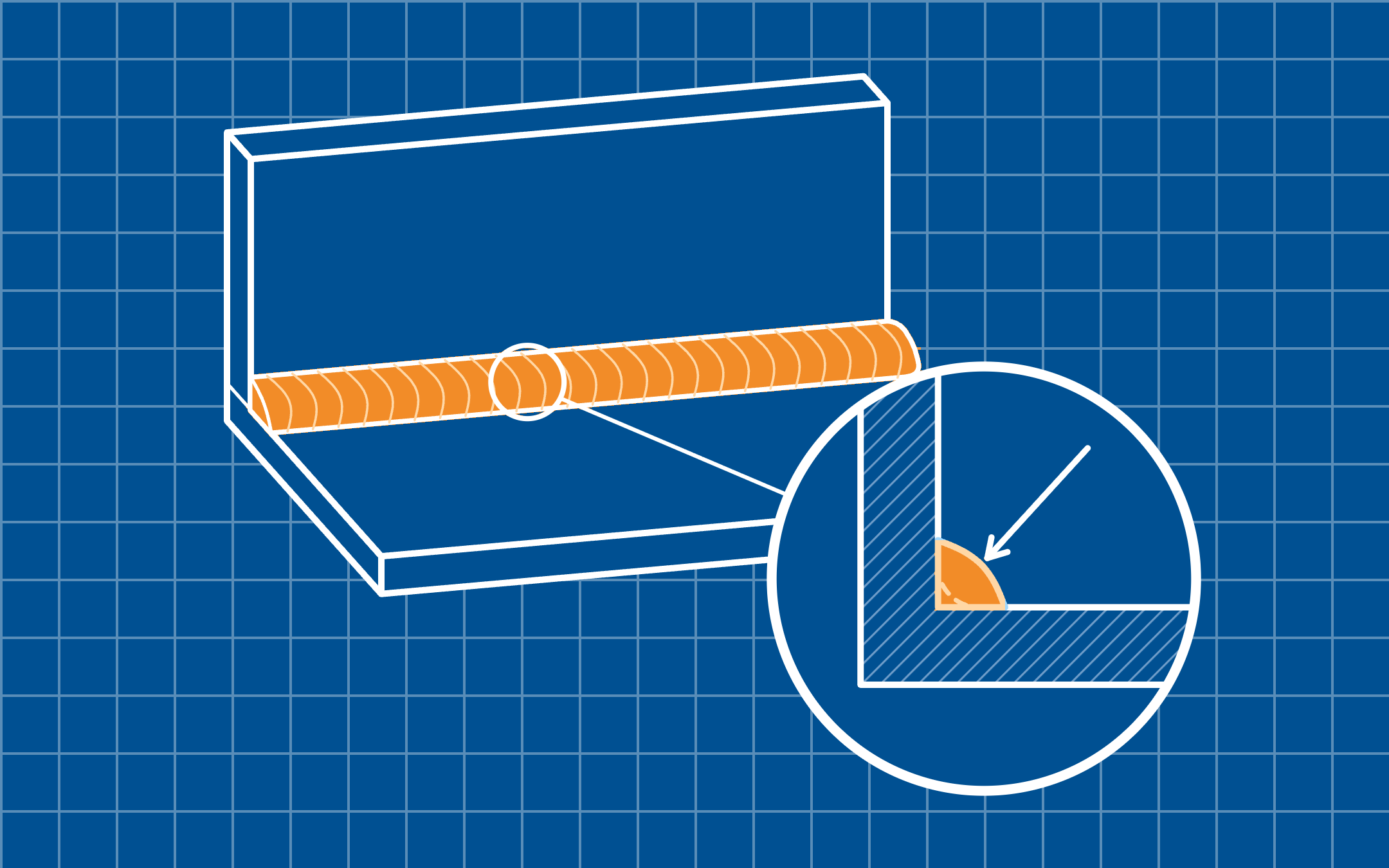
Welds in inside corners or 2D joints call for a different approach than flat surfaces. Because of the limited space and difficult access, the precision and adaptability of the abrasive are crucial.
Which product suits your workpiece
For high stock removal, choose the FOV or the FCC, depending on the radius of the corner. If you want more control and a finer finish, the TA10 wheel is a good choice.
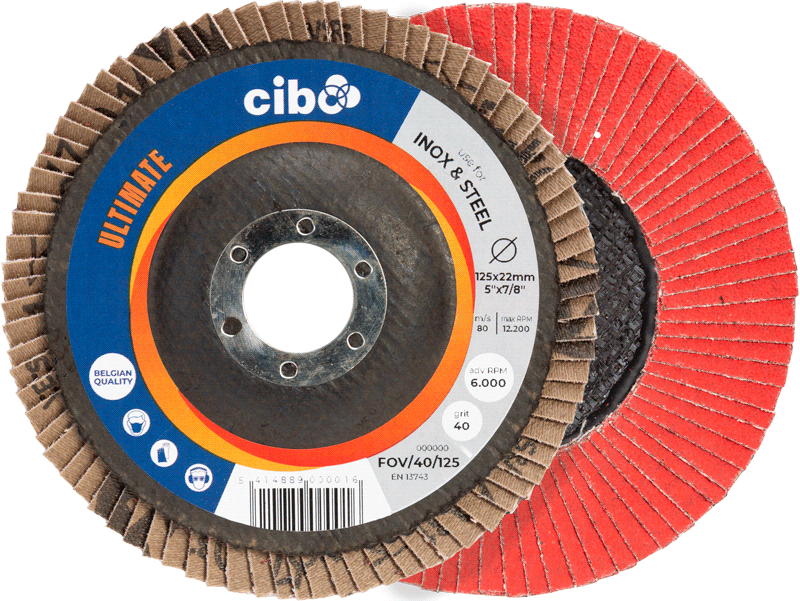
FOV
Ideal for heavy work, such as MIG/MAG welds in corners.
- Overhanging flap disc
- High stock removal




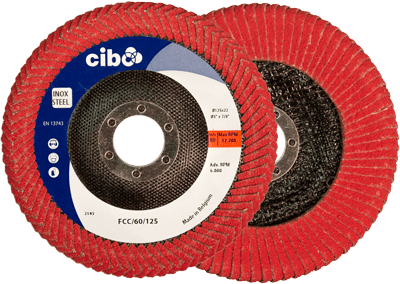
FCC
Flap disc for extremely high stock removal.
- Curved flap disc
- For heavy MIG/MAG welds in corners
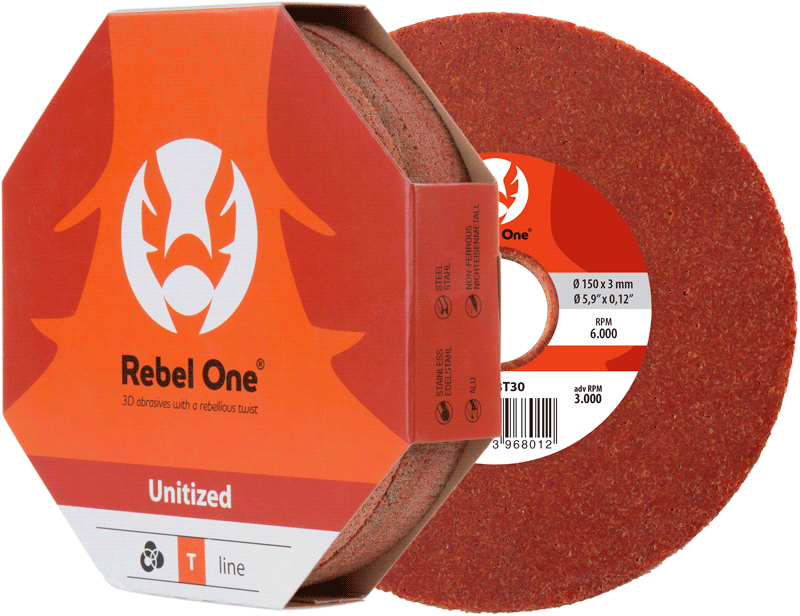
TA10
Less aggressive than the FOV, for a nicer and more precise finish.
- Unitized wheel with hard density
- More control in the last millimetres


In the video: FCC flap disc
How to remove a weld in a steel inside corner in 3 steps
Choose based on the corner
Use the FOV for corners with a radius from 4 mm, or the FCC from 8 mm for heavy work. If the finish matters, finish the last part with the TA10.
Work step by step along the weld
Target the weld seam, do not apply more pressure than necessary and do not load one spot for too long.
Finish with the TA10
For the last millimetres, switch to the TA10 wheel. This way, you remove material in a controlled way without damaging the base material.
Frequently asked questions about removing welds in a steel inside corner
How do you remove a weld seam in an inside corner?
Use an abrasive that reaches the weld well and gives enough control in the limited space. For high stock removal, choose the FOV. If you want more control and a finer finish, the TA10 unitized wheel is a good choice. Work in a controlled way so you don’t remove too much of the base material.
Which abrasive do you use to remove welds in corners?
That depends on the weld seam and the desired finish. The overhanging FOV is made for heavy work, such as MIG/MAG welds in corners. The curved FCC is the most aggressive flap disc for extremely high stock removal. The TA10 wheel is less aggressive and gives a more precise, nicer finish.
How do you remove a MIG/MAG weld in an inside corner?
You need enough stock removal, but you also have to be able to work precisely. The FOV and FCC are suitable for this. Work step by step along the weld seam and do not load one spot for too long. For the last millimetres, switch to the TA10 wheel. This prevents you from grinding into the base material with the aggressive FCC or FOV. Experienced grinders sometimes finish everything with the FCC.
What is the difference between the FOV and the TA10?
The FOV is the more aggressive solution for a lot of weld material, such as MIG/MAG welds. The TA10 is a unitized wheel with a hard density that is less aggressive and gives more control, resulting in a more precise and nicer finish. Because the wheel is hard, it may vibrate somewhat on hard material. Choose based on how much material you want to remove and the desired end result.
How do you remove a weld in a hard-to-reach corner without damaging the steel?
Target the weld seam and do not apply more pressure than necessary. Work gradually and check regularly how much weld material is left. Controlled removal is especially important as you approach the base material. In that finer phase, the TA10 wheel gives more control.

