
Removing welds on round steel surfaces
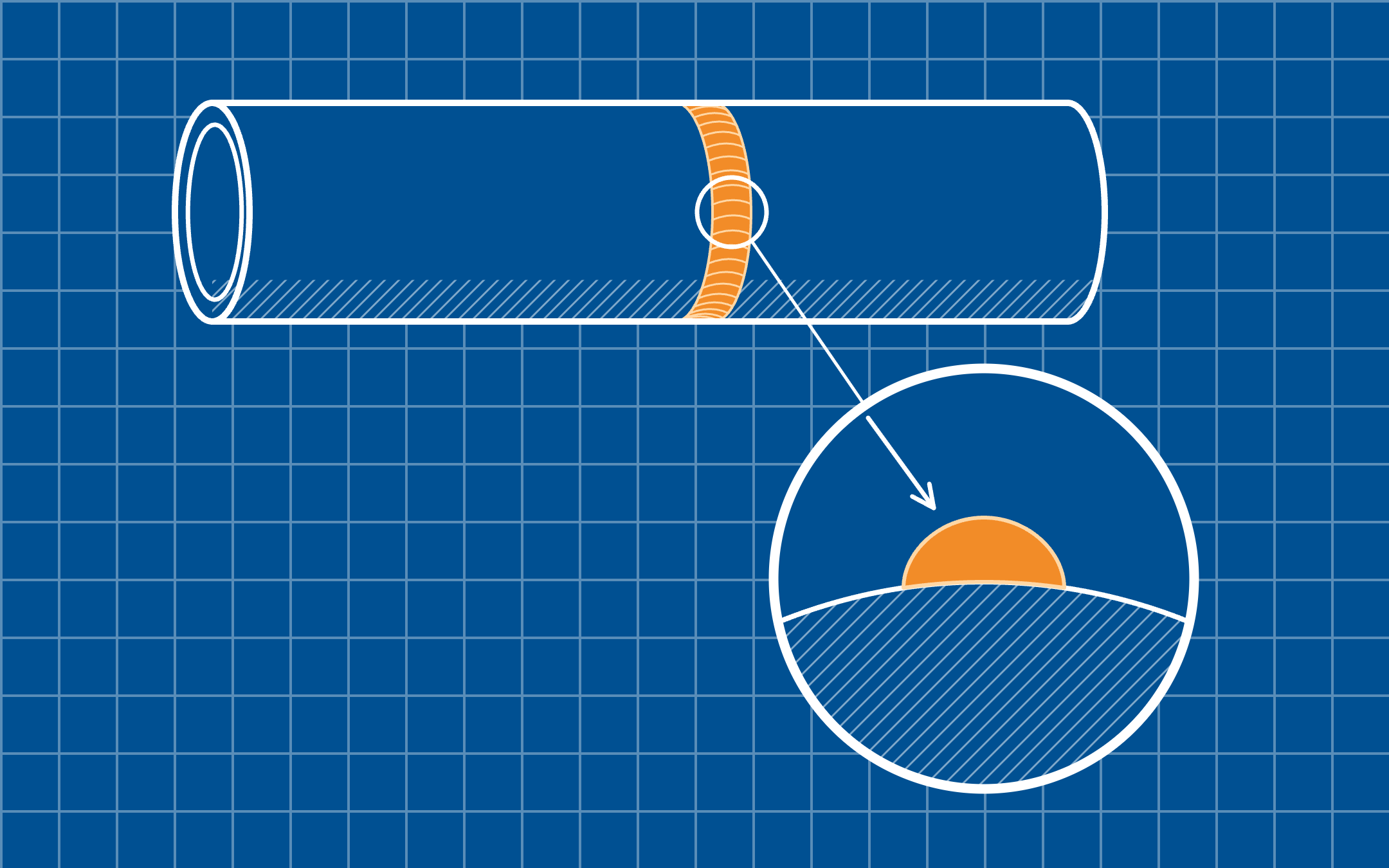
For round or tubular workpieces, flap discs are the best option. The overlapping flaps adapt to the curved surface, so you grind away the weld and finish it at the same time.
Which product suits your workpiece
The choice depends on the desired stock removal, service life and price. The Ultimate FTC is the most powerful, the Performance FPC a versatile all-rounder and the Industrial FNC an economical entry-level disc.
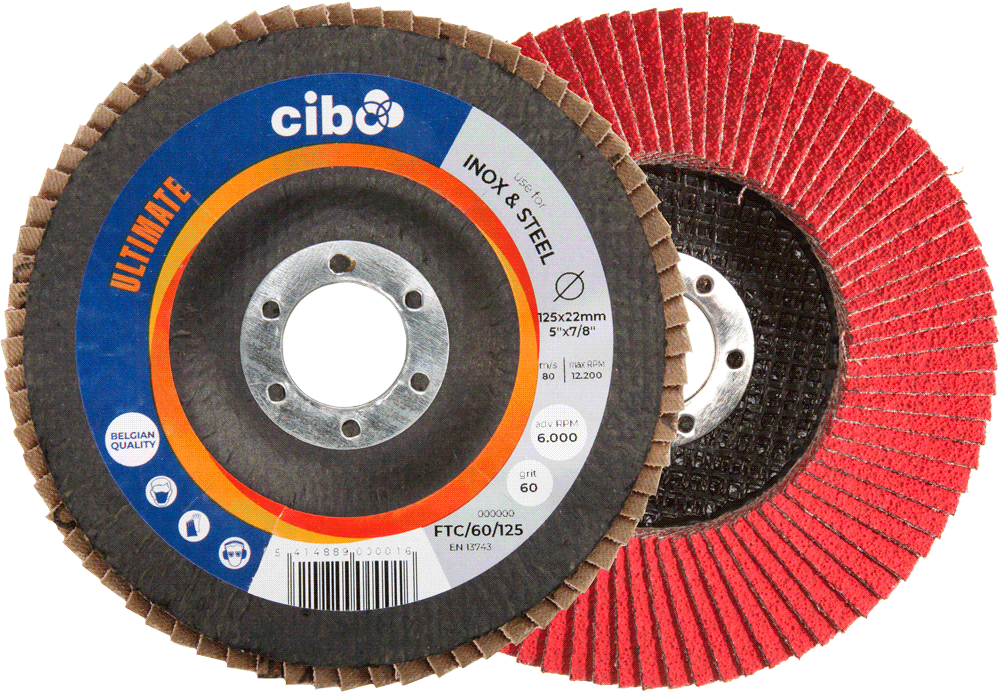
Ultimate FTC
The flap disc with the highest stock removal, ideal for heavy work.
- Ceramic grain
- Maximum performance at high working pressure
- For heavy weld seams




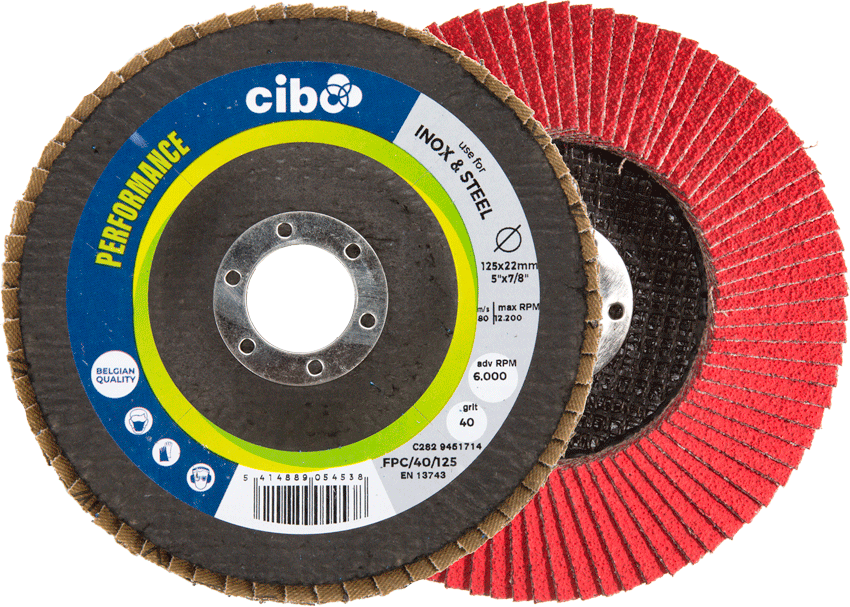
Performance FPC
Versatile disc for removing weld seams on steel.
- Ceramic and zirconia grains
- Overlapping flaps follow the curve of the workpiece
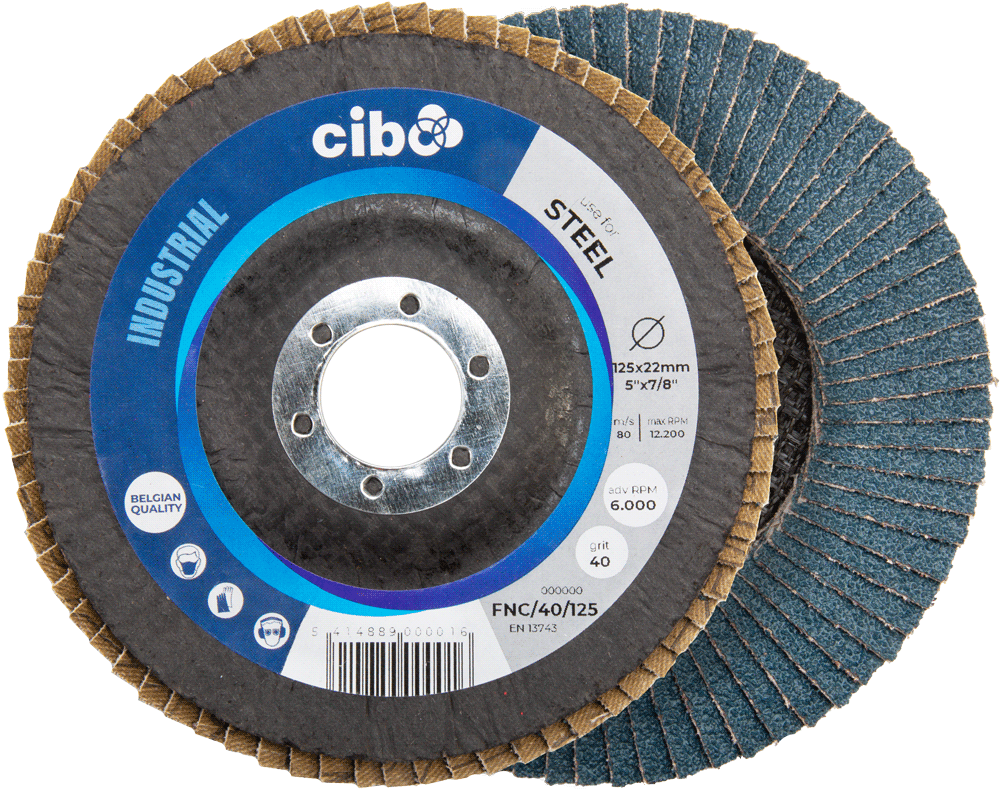
Industrial FNC
The perfect entry-level disc for working steel.
- High stock removal
- Even at low working pressure
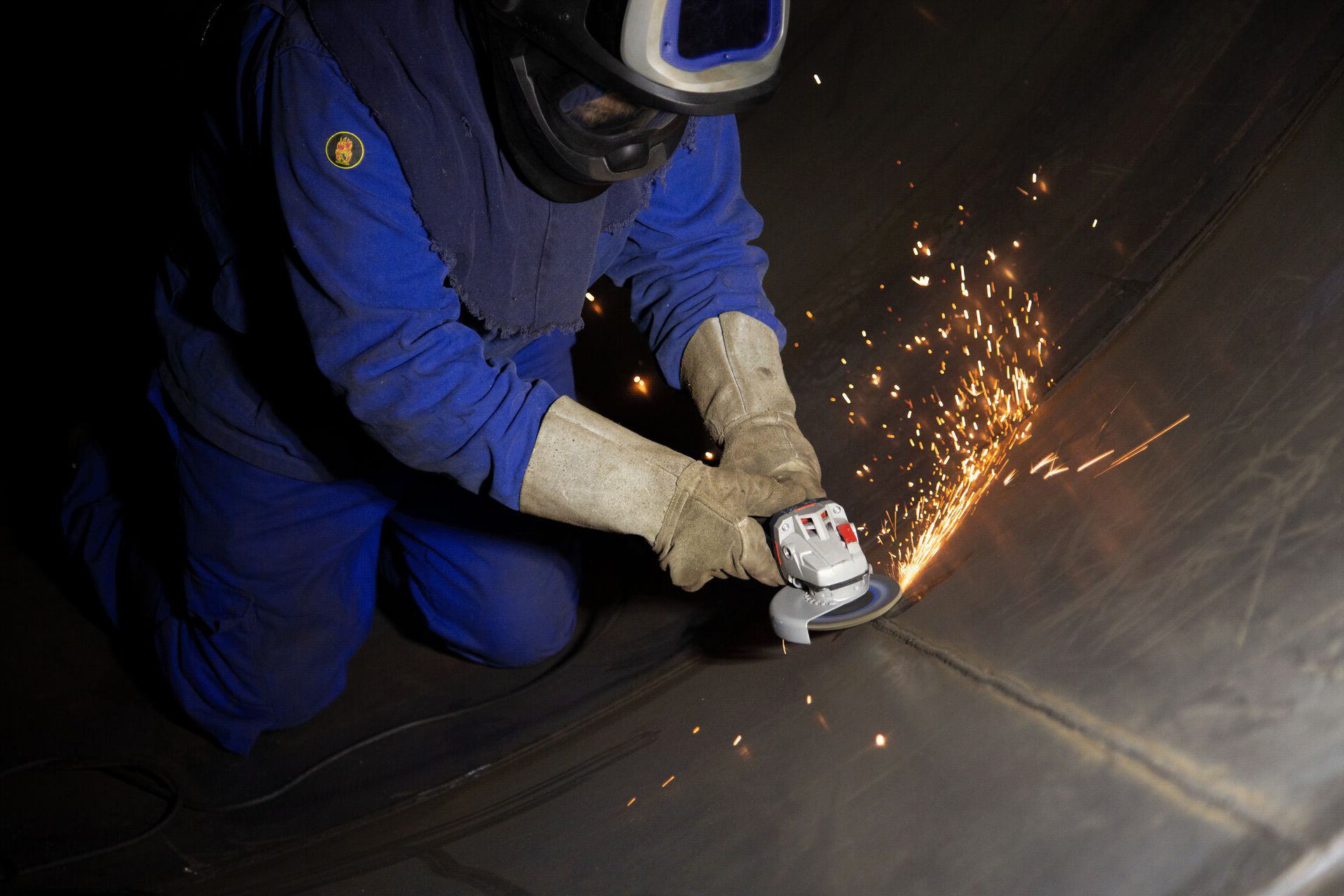
In the photo: Industrial FNC flap disc
How to remove a weld on round steel in 3 steps
Choose your flap disc
Choose the Ultimate FTC for heavy work, the Performance FPC as an all-rounder or the Industrial FNC as the economical choice.
Follow the curve
Keep the disc moving and follow the curve of the workpiece at all times. Do not grind in one spot for too long, to avoid flat spots.
Finish in a controlled way
The closer you get to the base material, the more carefully you work. This way, you keep the round shape.
Frequently asked questions about removing a weld seam on round steel
How do you remove a weld seam on round steel?
On round or tubular steel, a flap disc such as the Performance FPC works best. The overlapping flaps adapt to the curved surface. Follow the curve of the workpiece and work over the weld seam in a controlled way, so you grind the weld away evenly without affecting the shape.
Why do you use a flap disc for weld seams on round steel?
A flap disc combines high stock removal with good control. The flaps are more flexible than a classic grinding disc, making it easier to follow the contours of a round or tubular workpiece. This way, you remove the weld and finish it at the same time. On round surfaces, the risk of gouging is also much lower than on a flat surface: the contact area of your disc is smaller, and small irregularities are much less noticeable on a round tube.
Which flap disc do you use to remove weld seams on steel?
That depends on the desired stock removal, service life and price. The Ultimate FTC is the most powerful: its ceramic grain delivers maximum performance at high working pressure, ideal for heavy work. The Performance FPC is a versatile all-rounder with ceramic and zirconia grains. The Industrial FNC is an economical entry-level disc with high stock removal, even at low working pressure.
Which grit size do you use to grind away a weld seam on round steel?
To remove a weld seam quickly, use a coarser grit, as it removes more material. A finer grit leaves a finer scratch pattern. For flap discs, grit 40 is the most commonly used. Choose your starting grit based on the finish you want: you can also start with a finer grit, but then grinding takes much longer.
How do you avoid flat spots when grinding a round steel surface?
Follow the curve of the workpiece at all times and keep the flap disc moving. Do not apply too much pressure and do not grind in one spot for too long. The closer you get to the base material, the more carefully you work. This way, you keep the round shape.

