
Removing welds on flat steel surfaces
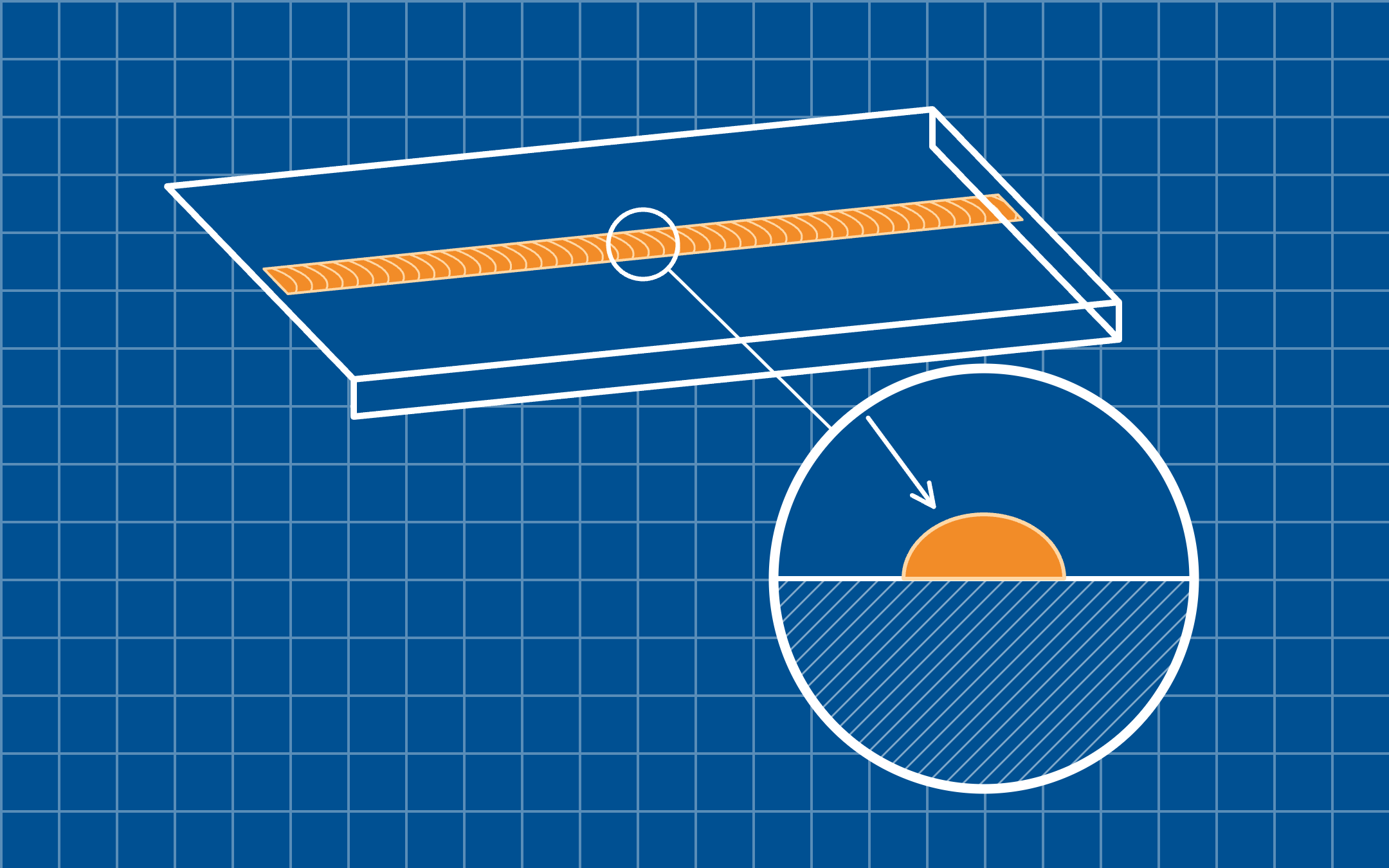
To remove welds on flat steel surfaces, we recommend Actirox fibre discs. They are designed for fast, aggressive stock removal and perform excellently in heavy-duty applications such as MIG/MAG welds.
Which product suits your workpiece
For the best value for money, choose the Actirox AF890. Looking for an economical disc for general grinding work? Then the K3K is a good choice.
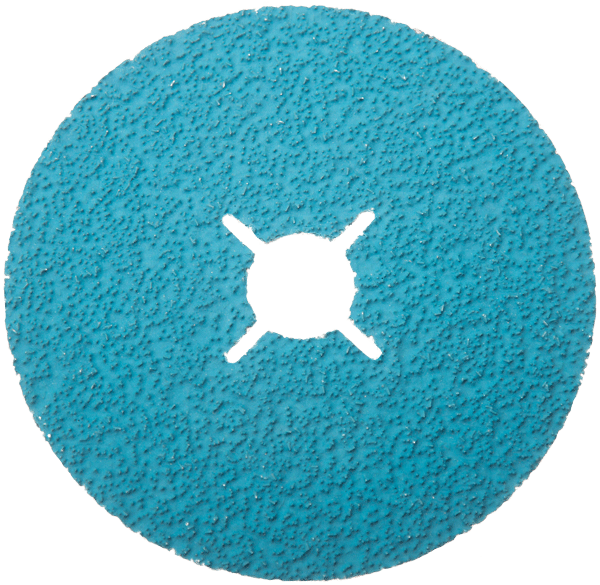
Actirox AF890
Ideal for quickly removing heavy MIG/MAG welds on steel.
- Precision-shaped ceramic grain
- Breaks down in a controlled way, stays sharp
- Perfect for daily use

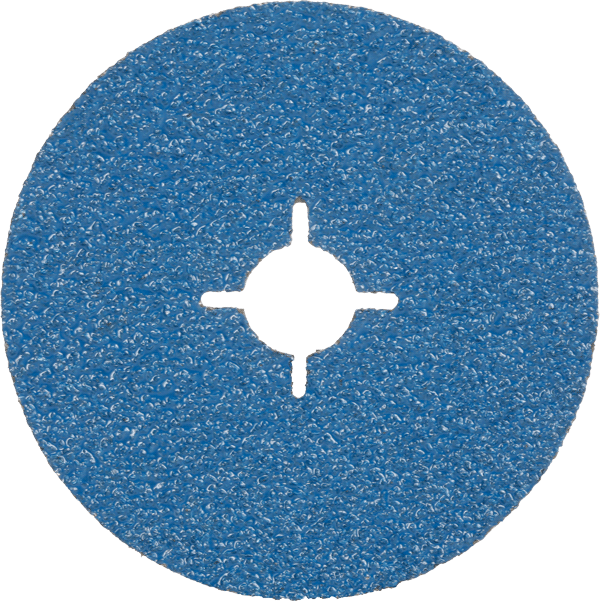
K3K
Economical choice for general grinding work on steel.
- Zirconia grain
- High grinding speed
- Durable
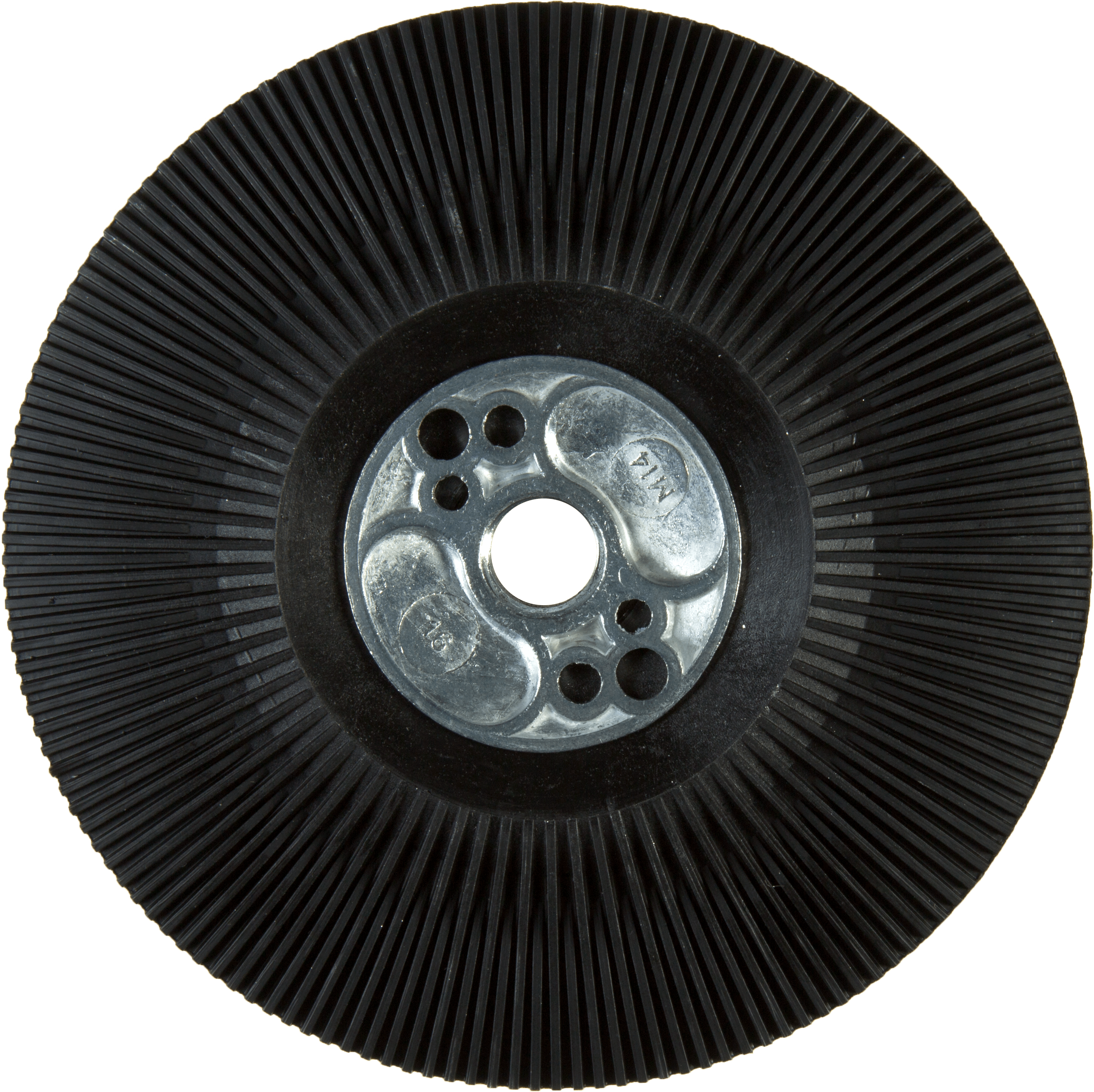
Choose the right back-up pad
The performance of a fibre disc depends heavily on the back-up pad. Depending on the workpiece, choose from:
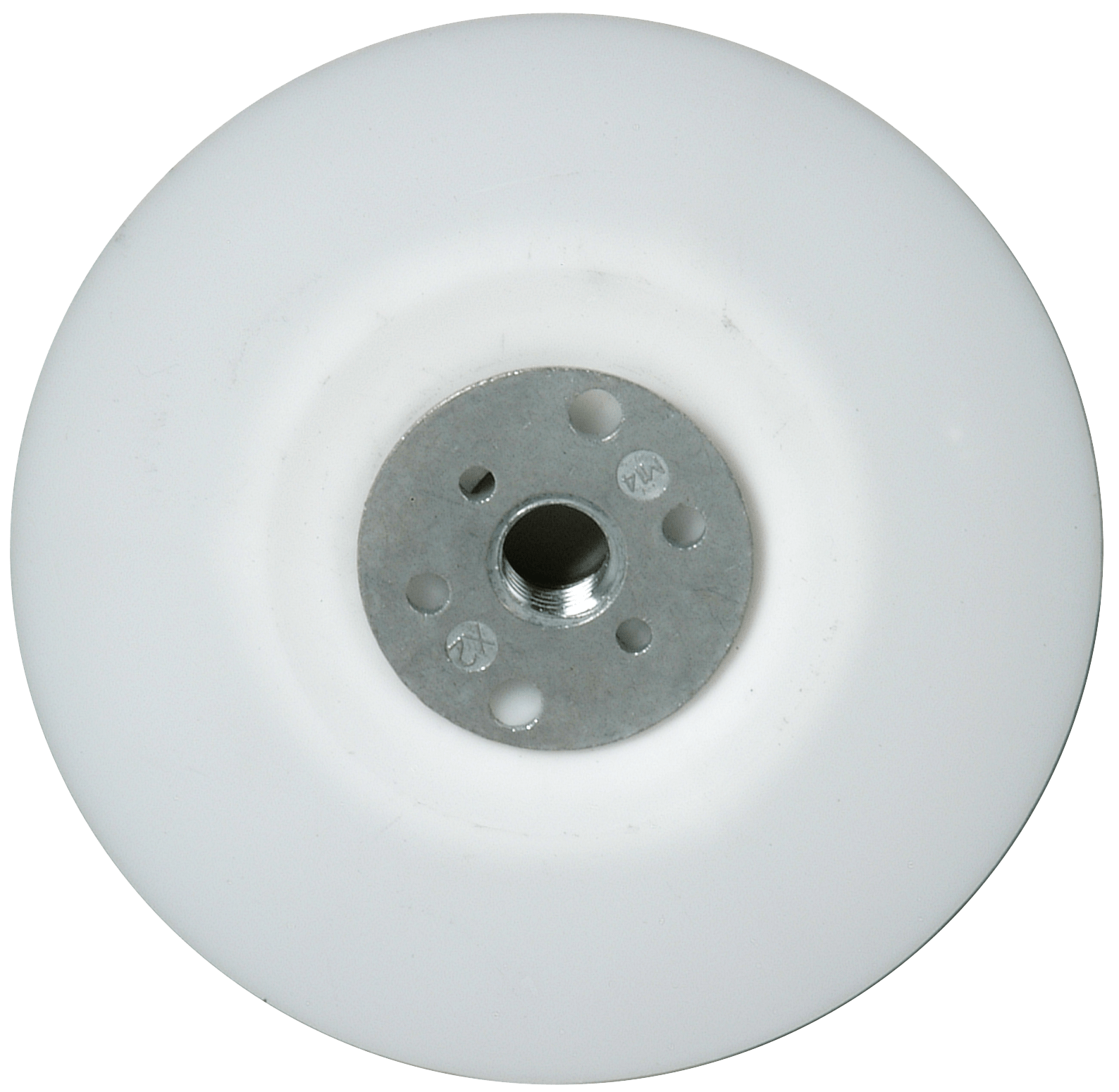
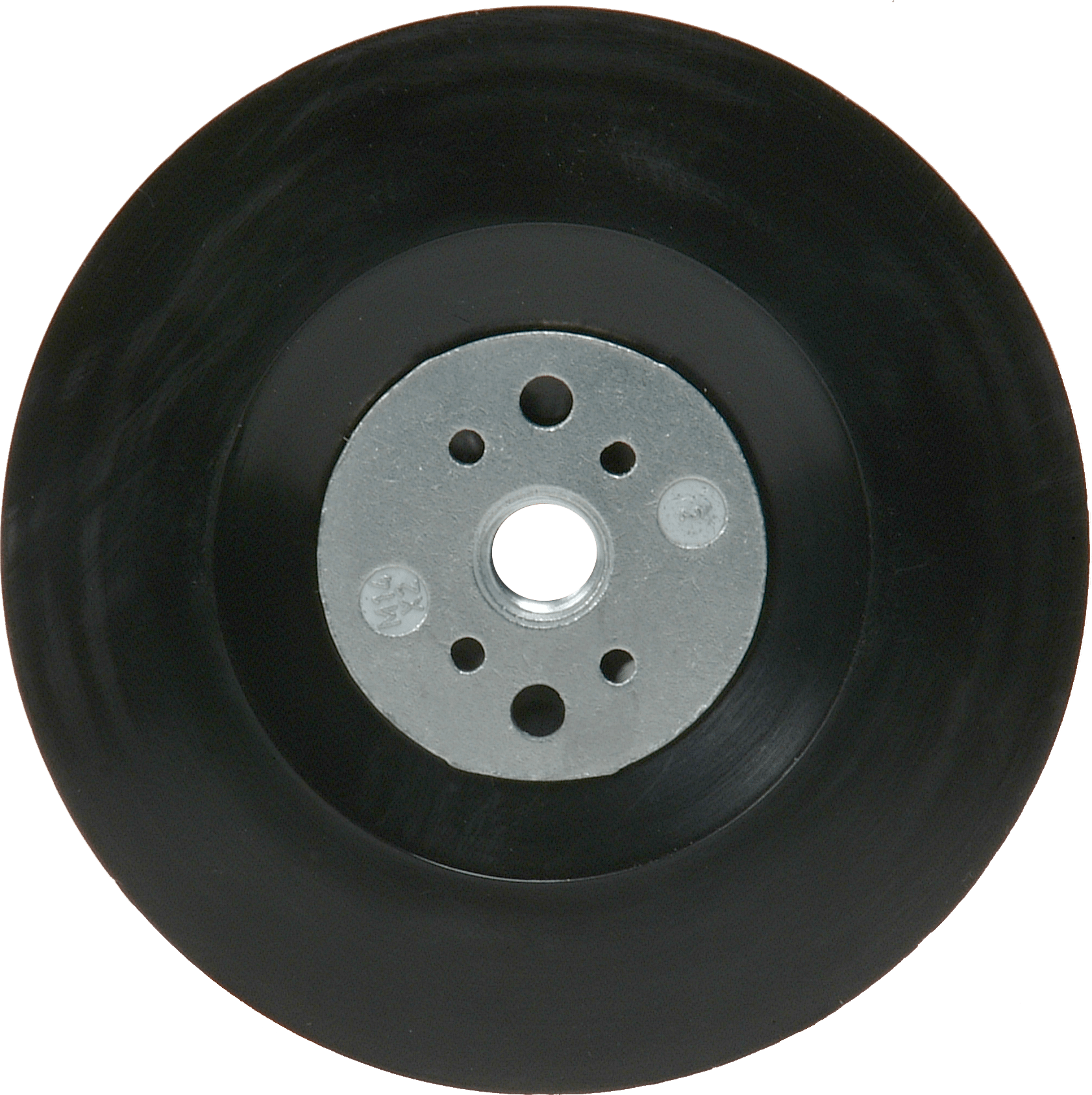
How to remove a weld on flat steel in 3 steps
Choose your fibre disc and back-up pad
Choose the Actirox AF890 for the best value for money, or the K3K as the economical choice. Mount the disc on an FIH, FIW or FIZ fibre disc back-up pad.
Start with a coarse grit
The larger the weld seam, the more important fast stock removal becomes. Then switch step by step to a finer grit to avoid deep grinding marks.
Reduce the pressure at the end
Keep the disc moving and reduce the pressure as soon as you approach the level of the surrounding steel. This way, you don’t grind into the base material.
Frequently asked questions about removing a weld seam on flat steel
How do you remove a weld seam on a flat steel surface?
Grind away the excess weld in a controlled way until it is flush with the surrounding steel. For fast stock removal, a fibre disc such as the Actirox AF890 is the most suitable. Work with even movements and do not apply too much pressure, so you don’t grind into the surrounding material.
Which fibre disc do you use to remove weld seams on steel?
Cibo recommends the Actirox AF890. The precision-shaped ceramic grain breaks down in a controlled way, constantly exposing new sharp cutting edges so the cutting power stays high, even on heavy MIG/MAG welds. Looking for an economical disc for general grinding work? Then the K3K with zirconia grain is a good choice.
Which back-up pad do you use with a fibre disc?
The back-up pad helps determine how the fibre disc performs. Choose the hard FIH for maximum aggressiveness and fast stock removal, the FIW for standard flat work and the flexible FIZ for slightly curved or uneven surfaces and finer grits. The FIH and FIW have heat-dissipating ribs for a cooler grinding process.
Which grit size do you use to remove a weld seam on steel?
Start with a coarser grit for high stock removal: the larger the weld seam, the more important fast stock removal becomes. If you then want a finer surface, switch step by step to a finer grit. This way, you avoid deep grinding marks. For a thick weld, grit 36 is usually used, combined with the hard FIH back-up pad. For the next step, read how to clean the surface after welding.
How do you grind a weld seam flat without damaging the surrounding steel?
Grind the weld seam away gradually and reduce the pressure as soon as you approach the level of the surrounding steel. Keep the fibre disc moving at all times and do not grind in one spot for long. This limits heat, deep grinding marks and unwanted stock removal. A flexible back-up pad such as the FIZ gives extra control in that final phase.
Why a fibre disc and not a flap disc on a flat steel workpiece?
A fibre disc can be used much flatter. A flap disc, especially a conical one, works at an angle of 15° to 30°. This means you risk grinding a groove into the surface. If the plate is painted afterwards, every flaw will show. That’s why a flat workpiece is best ground with a fibre disc, or with a hook-and-loop grip disc on a random orbital machine. That way, there is no risk of gouging.

