
Cleaning the surface after weld removal
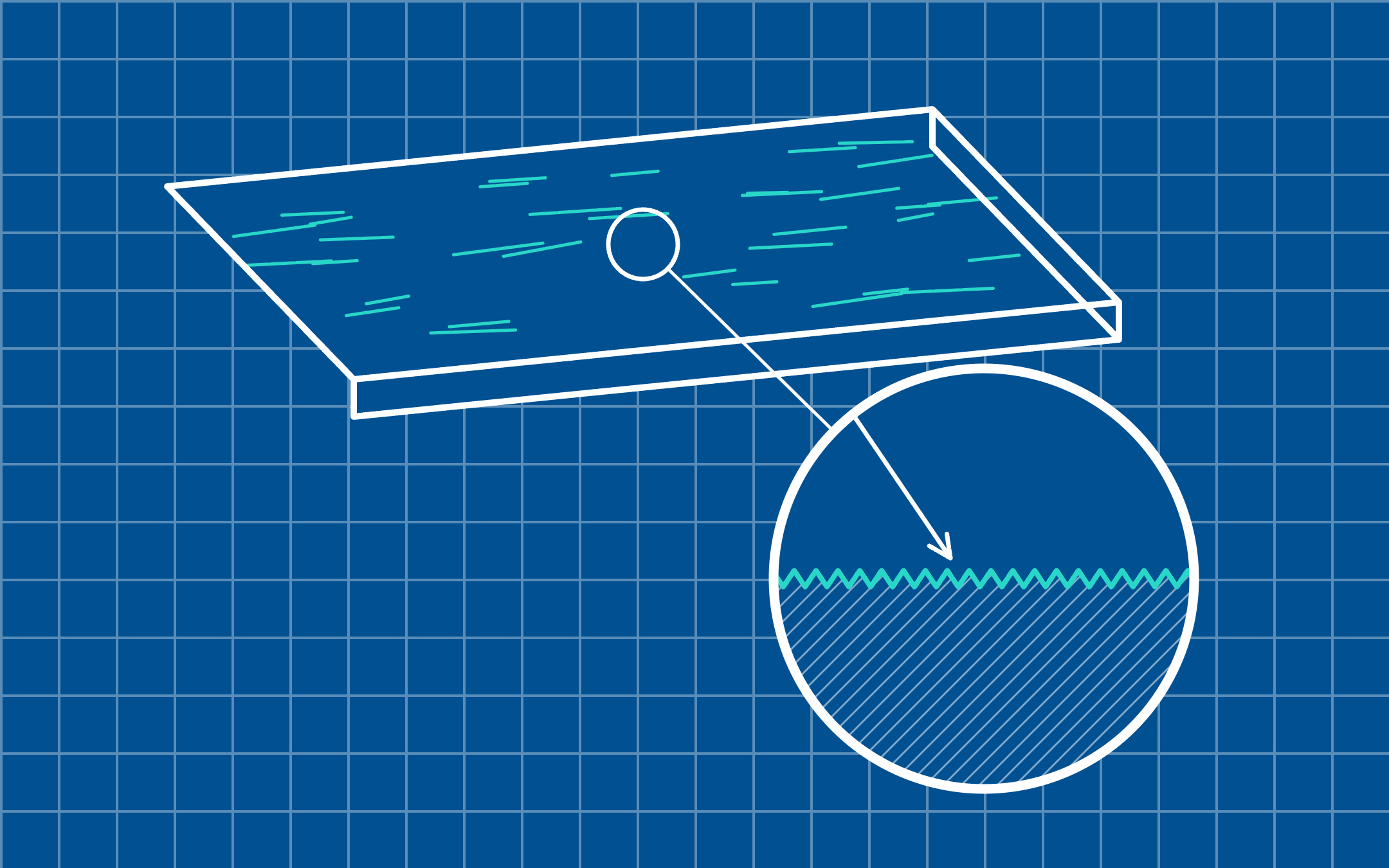
After roughly removing the weld, you need to clean the surface properly and prepare it for the next step, such as painting or coating. If you skip this step, grinding scratches remain visible or adhesion problems occur in the final finish.
Which product suits your workpiece
The choice depends on the depth of the scratches: the VTMA in RC1 for deep grinding scratches, the FCGR film grip disc in grit 120 or 180 for finer cleaning work. The surface is then ready for further finishing, painting or coating.
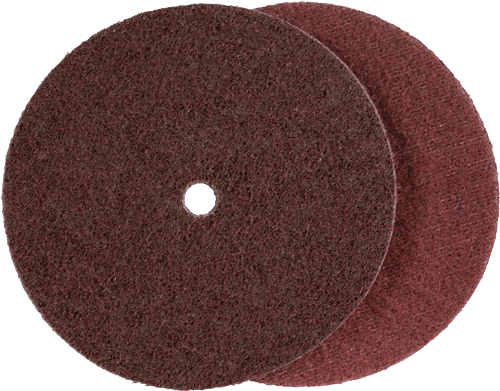
VTMA
Ideal for removing deep scratches left by aggressive fibre discs.
- Levels out grinding marks
- In the RC1 version
- Ready for the next finishing step



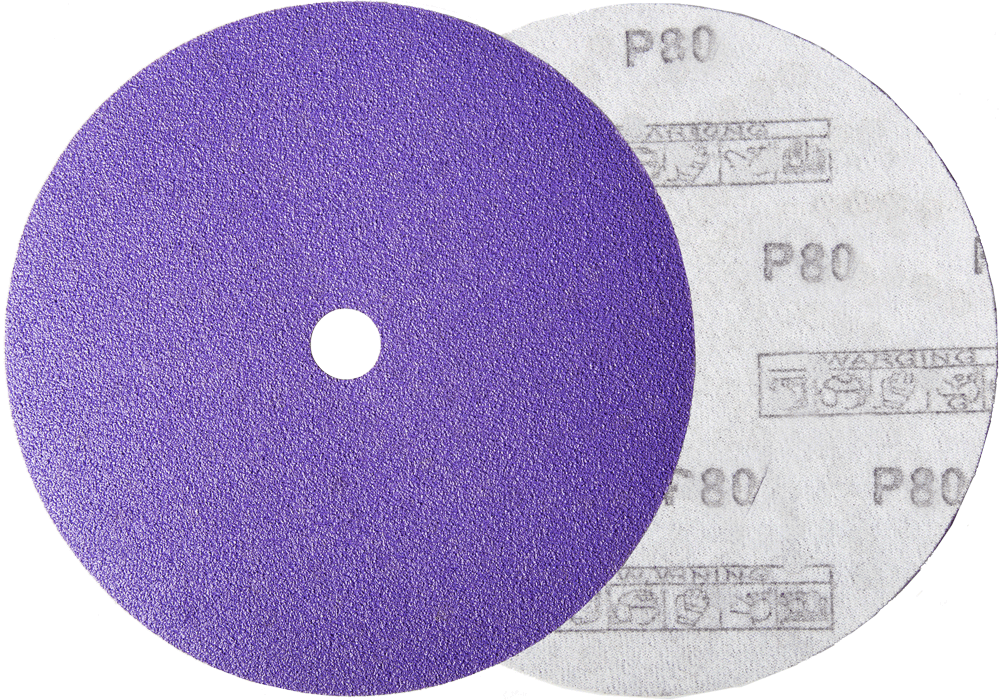
FCGR
Ideal for removing the remaining grinding scratches and refining the scratch pattern.
- High cutting power
- Film backing: stronger than paper, more flexible than cloth
- Even scratch pattern
- In grit 120 or 180

How to clean a steel surface in 3 steps
Check the depth of the scratches
Remove deep scratches from an aggressive fibre disc with the VTMA in RC1. For finer scratches, choose the FCGR in grit 120 or 180.
Level the surface
Gradually remove the remaining grinding scratches and level the surface.
Finish further
Once the surface is even, you can paint or coat it, or finish it further by giving it a uniform finish.
Frequently asked questions about cleaning a steel surface
How do you remove grinding scratches from steel after grinding away a weld?
After grinding, coarse grinding scratches are often left behind. You remove them with a finer, controlled grinding step. For deep scratches from aggressive fibre discs, use the VTMA: it levels out the grinding marks and prepares the surface for the next finishing step.
How do you finish steel after removing a weld seam?
Gradually remove the remaining grinding scratches and level the surface. The choice depends on the depth of the scratches: the VTMA for deeper grinding scratches, the FCGR in grit 120 or 180 for finer cleaning work. You can then paint or coat the surface, or finish it further with a uniform finish.
How do you remove grinding scratches from a P60 fibre disc?
A P60 fibre disc leaves visible grinding lines behind. You remove them in a controlled way with the FCGR film grip disc in grit 120 or 180. The film backing is stronger than paper and more flexible than cloth, so you get an even scratch pattern and the surface is ready for further finishing.
What is the difference between the VTMA and the FCGR for removing grinding scratches?
The VTMA is intended for deeper grinding scratches, for example after an aggressive fibre disc. The FCGR in grit 120 or 180 is for finer cleaning work, such as the remaining scratches after a P60 fibre disc. Use the VTMA when more correction is needed and the FCGR to refine the surface.

