
Final finish: grit 320 brushed finish on stainless steel
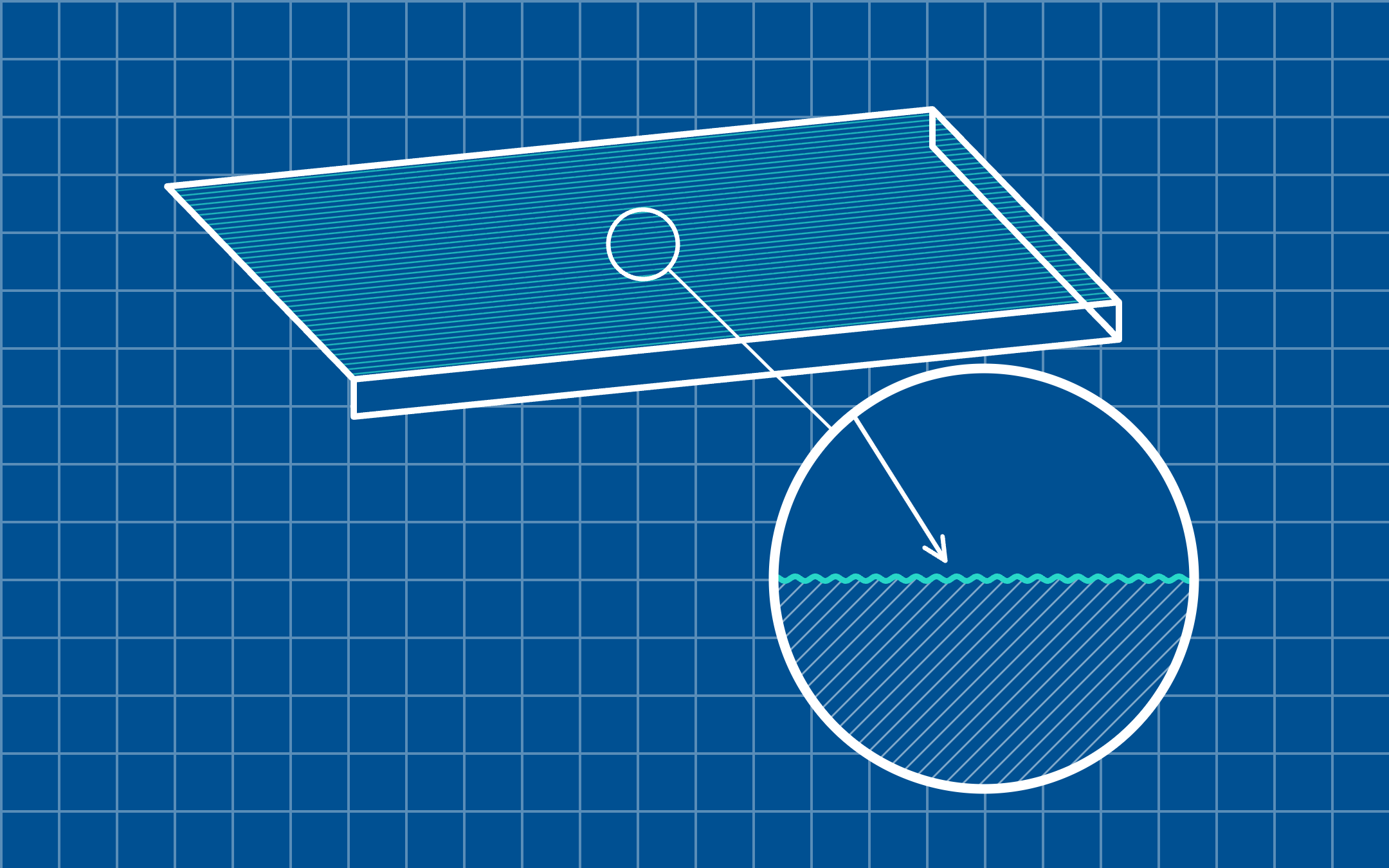
A 320 brushed finish is a commonly used finish for stainless steel. You grind the surface mechanically with grit 320. The result is a fine, even structure with a subtle, linear scratch direction.
Which product suits your workpiece
Both wheels are used on a bench grinder. With the FMCM, you correct the last grinding flaws; with the FMTM, you get a uniform brushed finish.
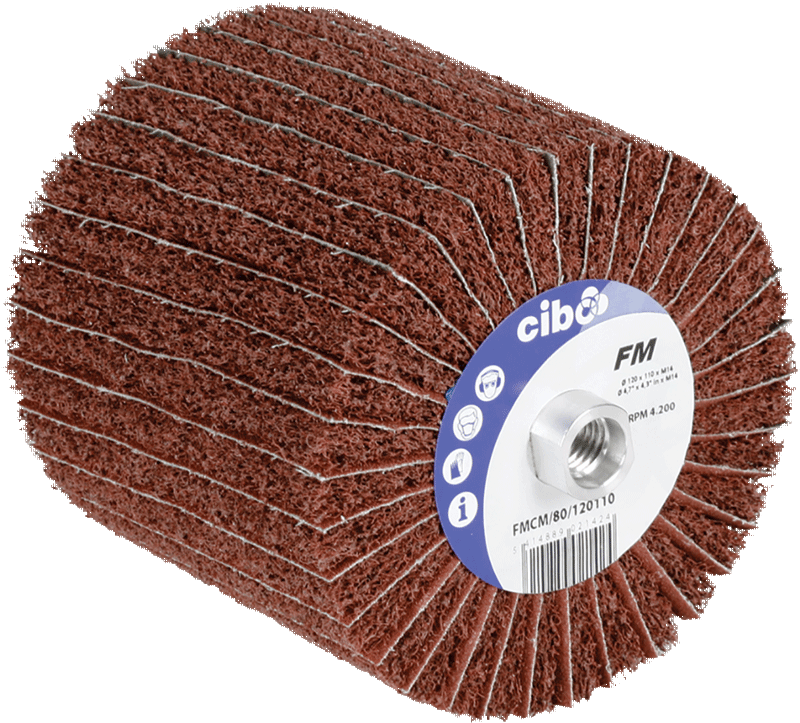
FMCM
Ideal for correcting the very last grinding flaws.
- Abrasive cloth gives extra cutting power
- For use on a bench grinder

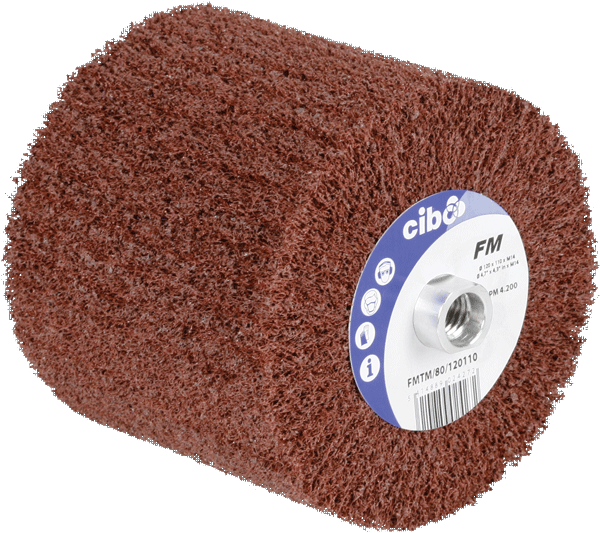
FMTM
Ideal for a nice, uniform brushed finish.
- Measured number of flaps
- For use on a bench grinder
In the video: FMTM wheel
How to brush a grit 320 structure on stainless steel in 3 steps
Prepare the surface
Make sure the workpiece is pre-ground and no deep scratches are visible.
Correct with the FMCM
Remove the last grinding flaws with the FMCM wheel on the bench grinder.
Finish brushing with the FMTM
Brush in one direction with the FMTM wheel for a uniform, linear grit 320 finish.
Frequently asked questions about grit 320 brushed finish on stainless steel
What is a grit 320 brush finish?
A 320 brush finish is a fine, even structure with a subtle scratch direction in one line. You create it by mechanically grinding the surface with an abrasive in grit 320. It is a commonly used finish on stainless steel.
Where is a 320 brush finish used?
You often see it on kitchen and catering equipment, in the food industry, on railings and in architecture. The fine structure looks neat and is easy to touch up.
Which products do you use for a 320 brush finish?
Work with the Finimaster Pro and the FMTM Tex flap wheel. The measured number of flaps gives a tight, even brushed finish. The combined FMCM wheel also has flaps of abrasive cloth, so you can easily correct the last grinding flaws.
What is the difference between a 320 and a coarser brush finish?
With a coarser grit, such as 180 or 240, the lines are deeper and more visible and the surface is more matt. A 320 finish is finer, shines slightly more and feels smoother.
How do you maintain a stainless steel surface with a 320 brush finish?
Clean with a soft cloth in the direction of the structure. Don’t use scouring pads or steel wool: they cause scratches across the brushing direction and can leave iron particles behind.

