
Texturing or orbital grinding of stainless steel
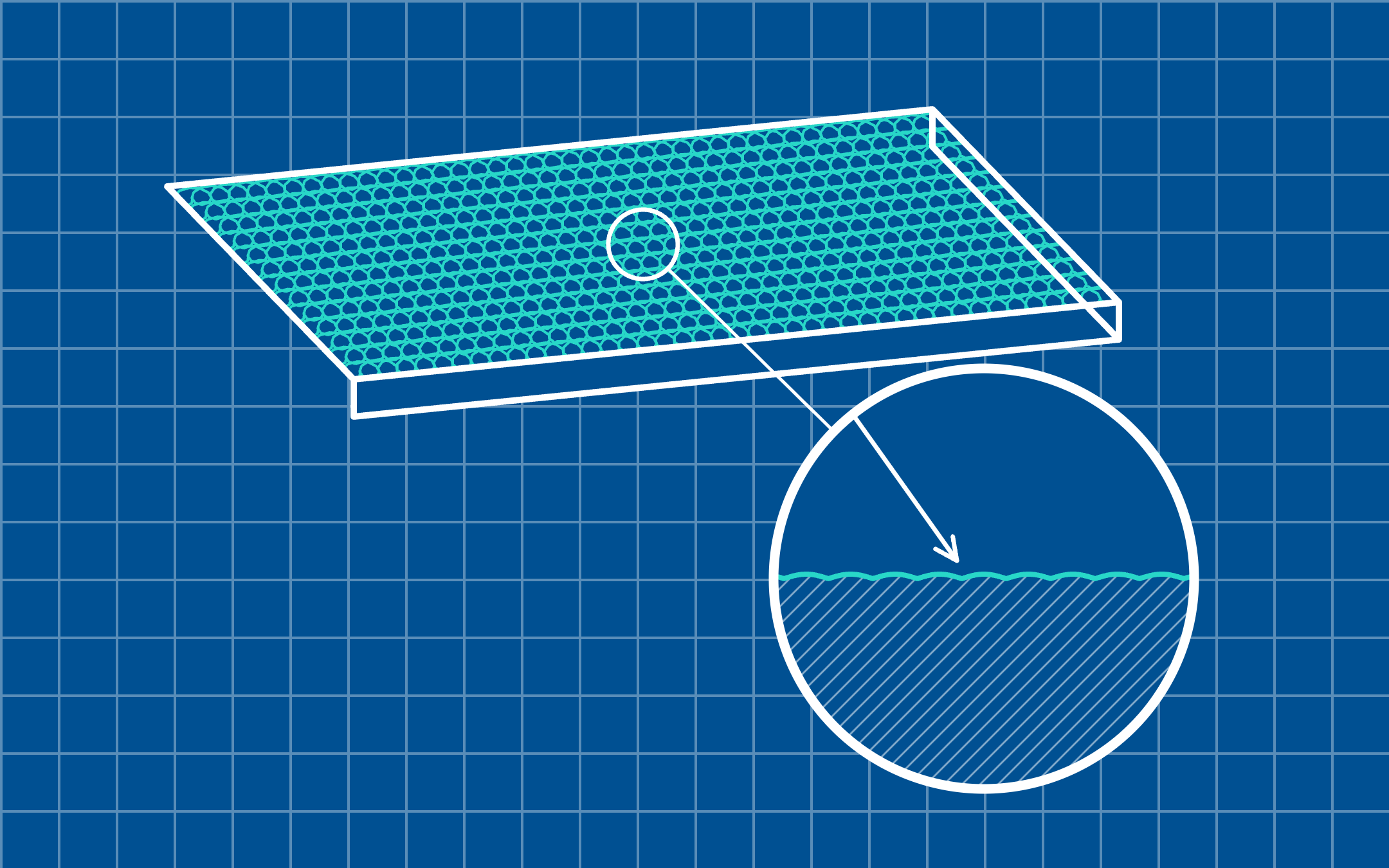
Structuring or orbital grinding gives stainless steel an even, matt or satin finish. With overlapping, circular movements, you get a uniform surface without visible grinding lines. Ideal for aesthetic and functional finishes where scratches are less noticeable.
Which product suits your workpiece
For a sandblasted finish, choose the FCGR. For a finer finish afterwards, use the TGR. Looking for an affordable solution? Then there is the 330GR.

FCGR
Ideal for a sandblasted finish on stainless steel.
- Grit 60 or 120
- Even, matt finish
- No visible grinding lines




TGR/AF
Ideal for a finer finish after the FCGR.
- Satin structure
- Even result

330GR
Our economical choice for orbital grinding.
- Paper grip disc
- For an even finish

In the photo: FCGR film grip disc
How to structure stainless steel in 3 steps
Choose your disc
Start with the FCGR in grit 60 or 120 for a sandblasted finish. Choose the 330GR as an affordable solution.
Grind in overlapping circles
Move in overlapping, circular movements over the entire surface. This gives you an even structure without visible grinding lines.
Finish finer
Want a finer, satin finish? Then continue grinding with the TGR until the surface is the same everywhere.
Frequently asked questions about structuring or orbital grinding of stainless steel
What does structuring or orbital grinding of stainless steel mean?
With structuring or orbital grinding, you work with overlapping, circular movements. This gives you an even, matt or satin finish without visible grinding lines. Scratches and fingerprints are therefore less noticeable.
Which disc do you use to structure stainless steel?
With the FCGR film grip disc in grit 60 or 120, you create a sandblasted finish.
How do you get a finer structure on stainless steel?
After the FCGR, finish further with the TGR/AF Tex grip disc. Its resilient, open structure gives a uniform finish without affecting the shape of the workpiece. Looking for an affordable disc? Then the 330GR is our economical choice.
What is the difference between linear and orbital grinding?
Linear grinding or brushing gives a structure with one clear scratch direction, as with a grit 320 brush finish. With orbital grinding, no direction is visible, so the surface looks evenly matt.

