
Pre-grinding stainless steel for the final finish
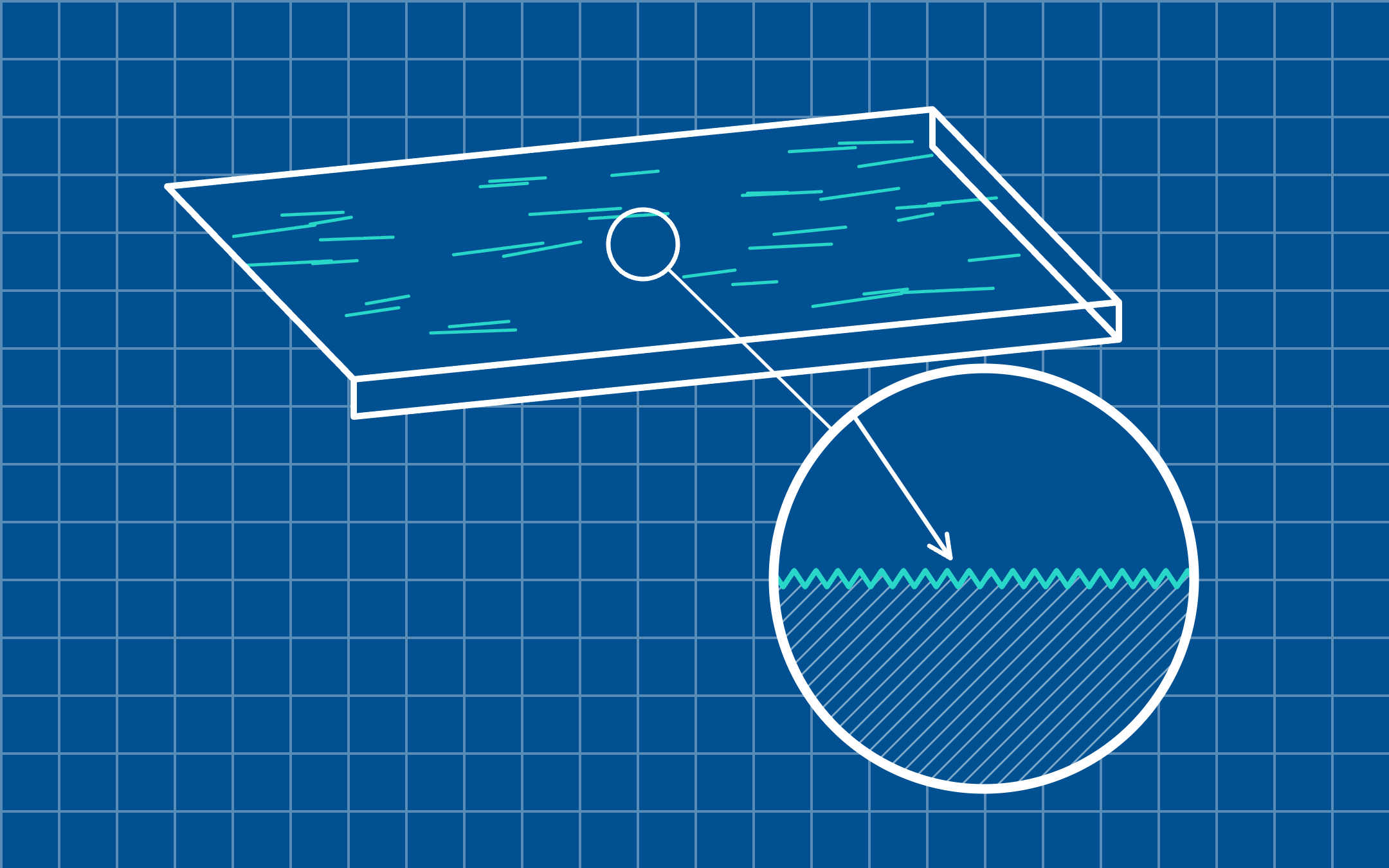
A high-quality final finish on stainless steel starts with good pre-grinding. You grind the surface finer in steps, so the final finish becomes even and consistent. Both the 237GR and the LKGR are suitable for this, each with its own advantages.
Which product suits your workpiece
For the most uniform finish, choose the 237GR. Looking for a cost-efficient solution? Then there is the LKGR.

237GR
Ideal if you need a very consistent, fine finish.
- Up to grit 2000
- For the finest final finish




LKGR
Cost-efficient choice with a longer service life.
- Up to grit 1400
- Finish slightly less uniform

In the photo: 237GR cloth grip disc
How to pre-grind stainless steel in 3 steps
Choose your disc
Choose the 237GR for the most uniform finish, or the LKGR as the cost-efficient choice.
Grind finer step by step
Start with a coarse grit and work one grit finer each time. Completely remove the scratches from the previous step before you continue.
Check the surface
Check that the surface is even everywhere and no deep scratches are visible. The workpiece is then ready for the final finish.
Frequently asked questions about pre-grinding stainless steel
Why is pre-grinding important for the final finish of stainless steel?
Every scratch you leave during pre-grinding will show in the final finish. Good pre-grinding gives you an even surface on which a brushed structure or mirror finish becomes nice and uniform.
Do you choose the 237GR or the LKGR to pre-grind stainless steel?
The 237GR is sharper and gives a clearly more uniform finish. It goes up to grit 2000 and is ideal if you need a very fine, consistent finish. The LKGR is cost-efficient and lasts longer, but goes up to grit 1200 and gives a slightly less uniform finish.
Which grit sequence do you use when pre-grinding stainless steel?
Start with the grit that just removes the deepest scratches and work step by step to finer grits. Don’t skip any steps and only continue once the scratch pattern of the previous grit is completely gone.
How do you prevent discolouration when pre-grinding stainless steel?
Work with light pressure, keep moving and let the workpiece cool down in between. A sharp disc such as the 237GR removes material quickly, so less heat enters the workpiece.

