
Grinding and polishing stainless steel
Choose your operation and find the right abrasives for stainless steel, explained step by step. From removing the weld to a mirror finish.
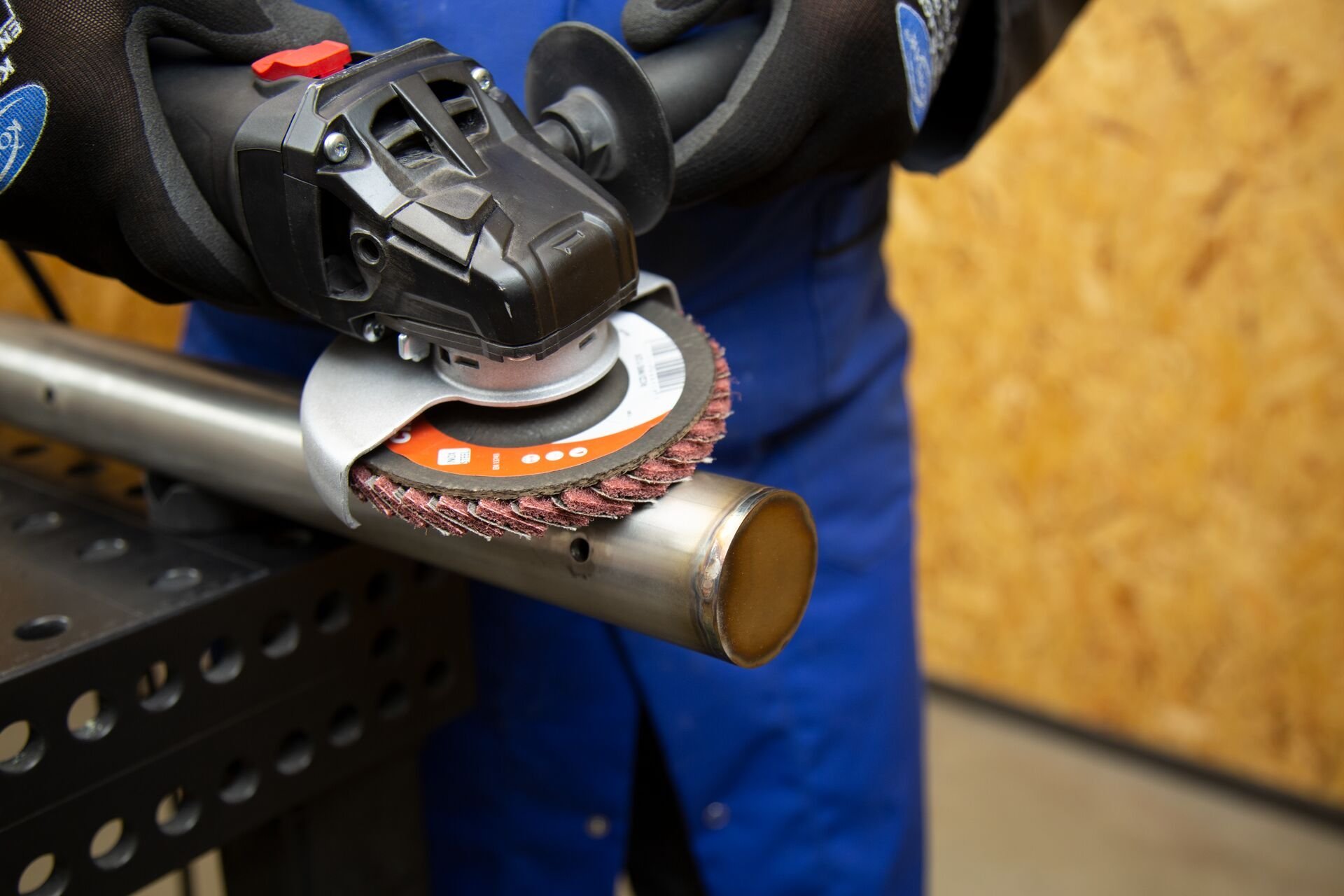
Weld removal
Grind the weld flat without discolouring the stainless steel or going too deep into it.
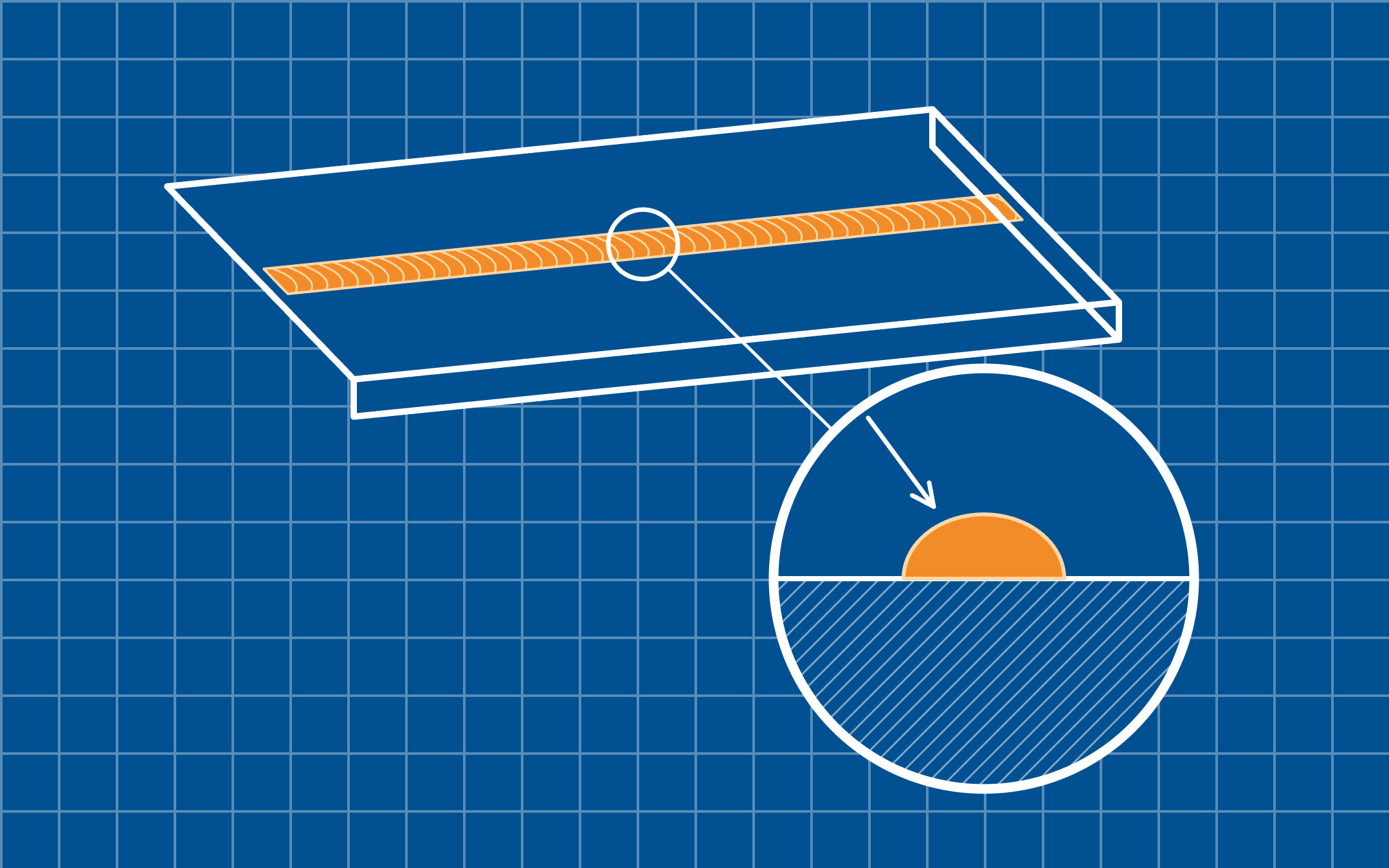
Removing a TIG weld on a flat workpiece
Fast removal on plates and flat parts, cool and without deep scratches.
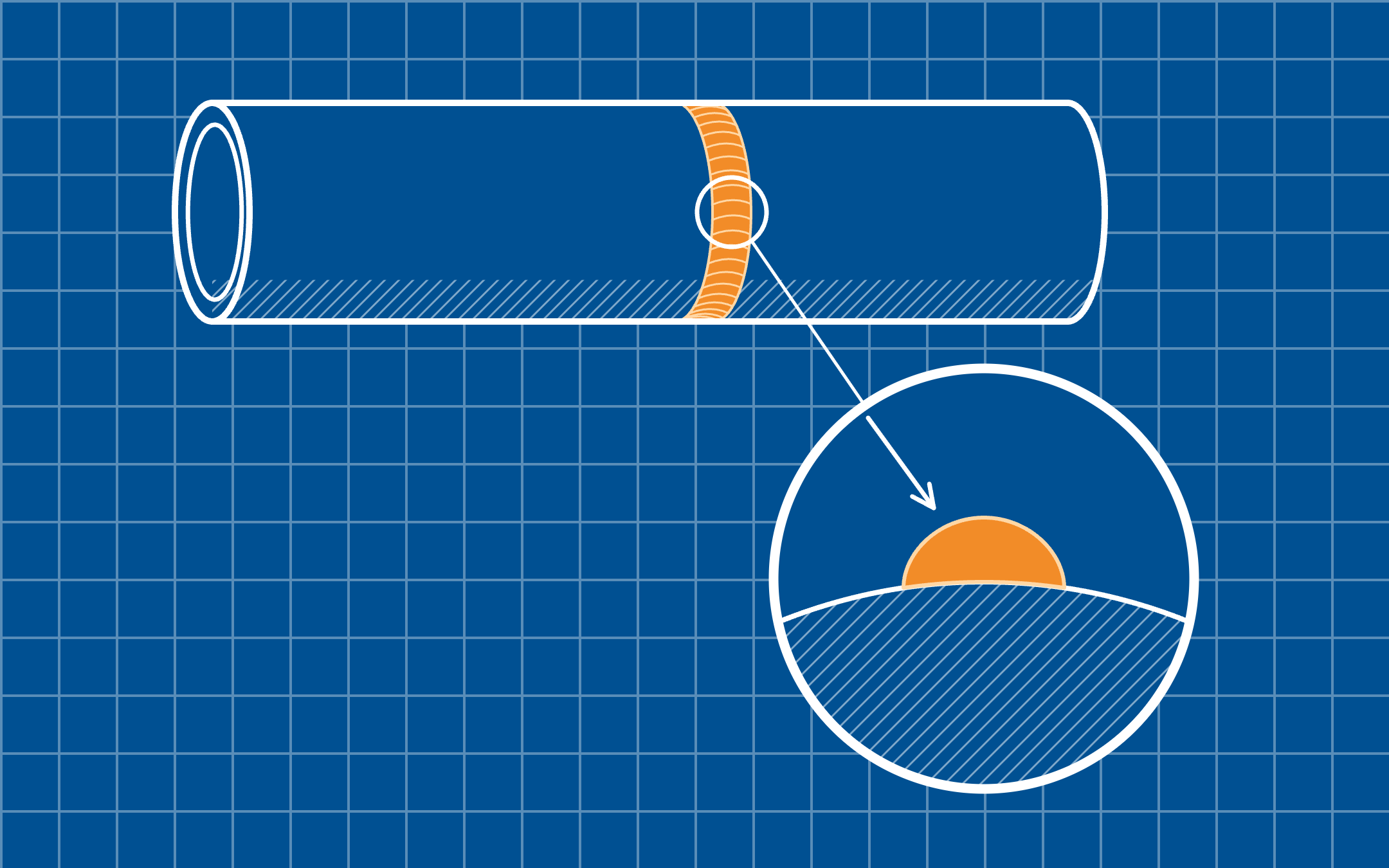
Removing a TIG weld on a round workpiece
For tubes and round profiles. The disc follows the curve, without flat spots.
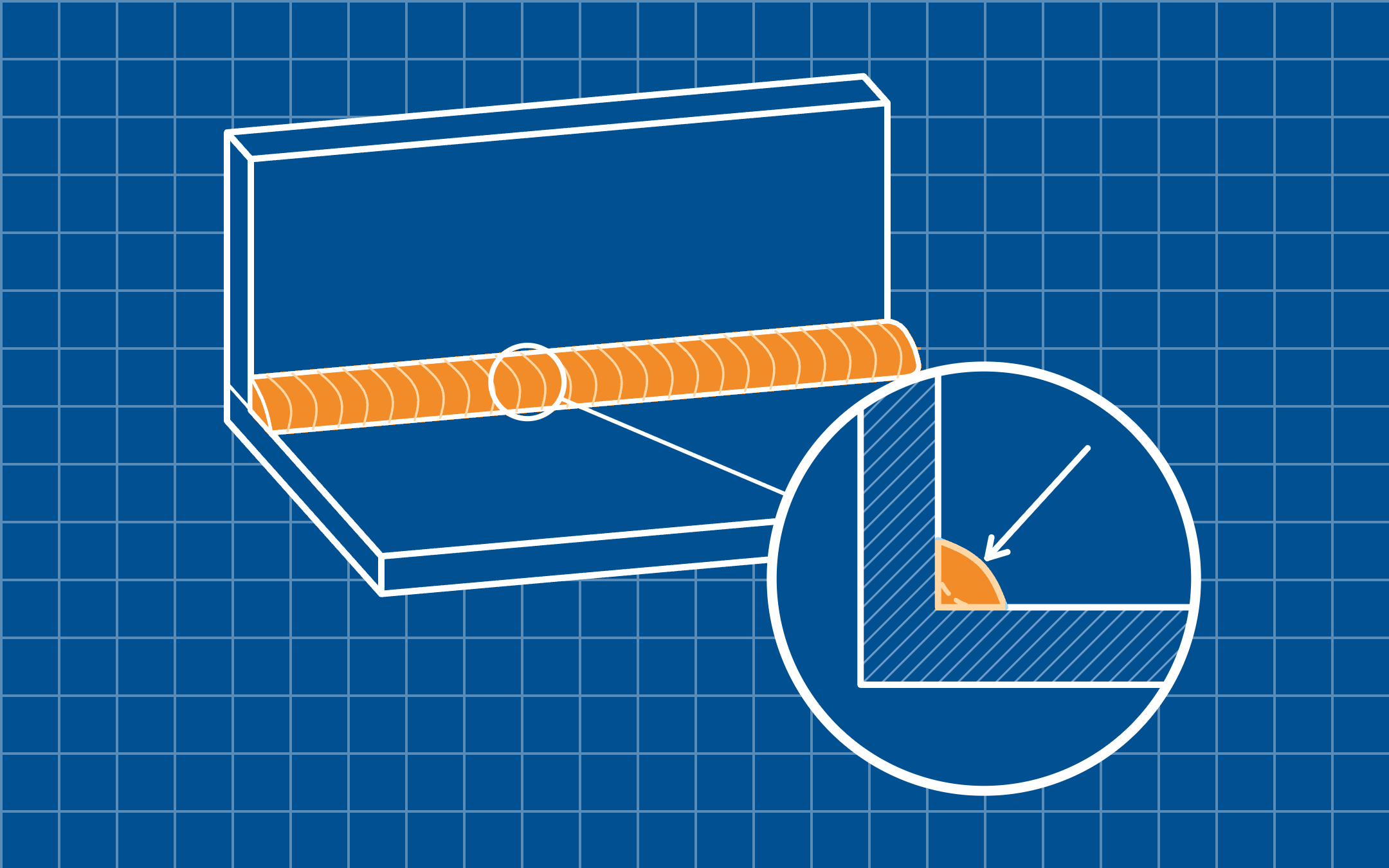
Removing a TIG weld in an inside corner
For hard-to-reach corners, with a solution for each weld thickness.
Post-processing and cleaning
Remove scratches, burrs and discolouration before you start finishing.
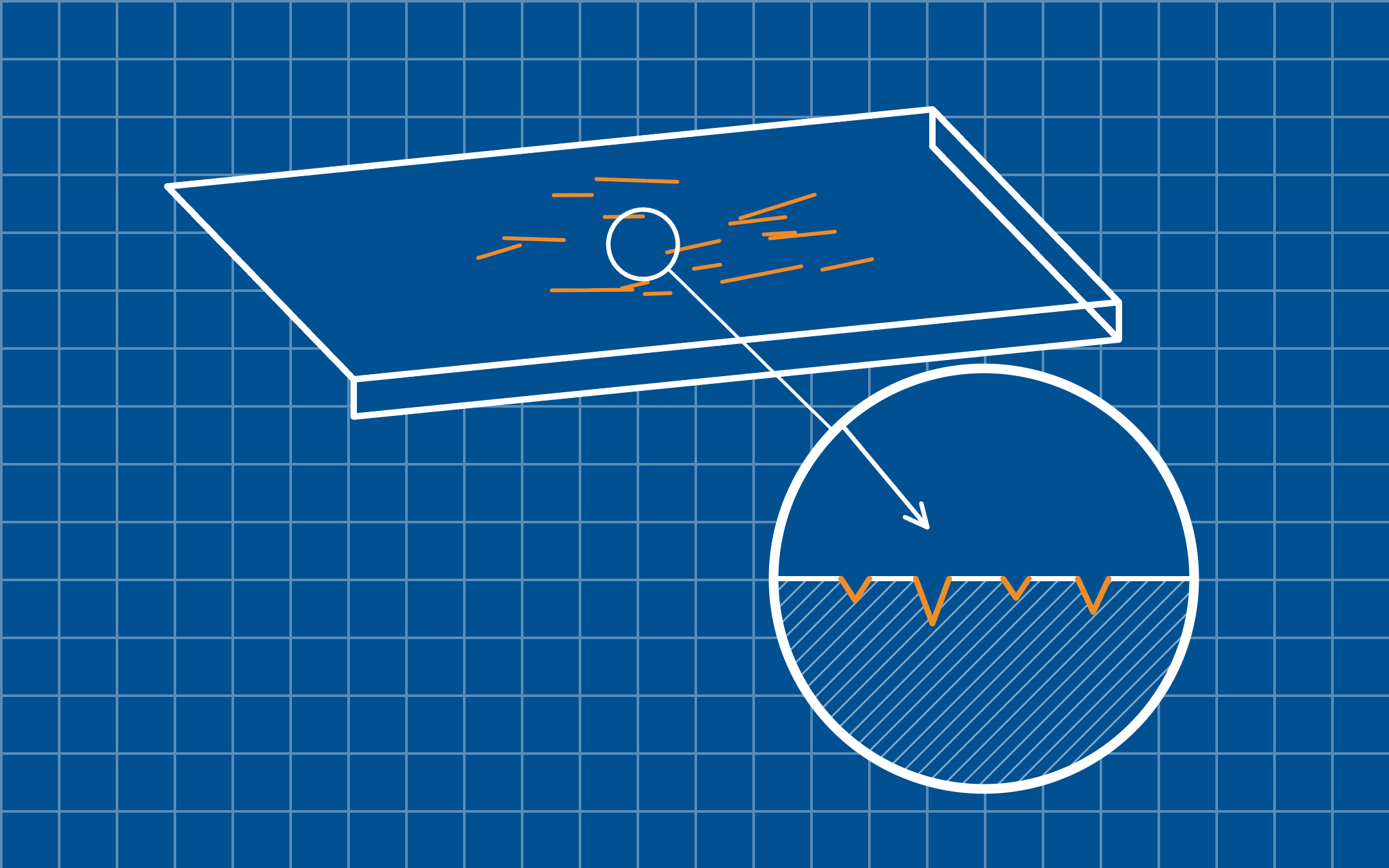
Removing scratches on a flat workpiece
Remove scratches and damage evenly on flat parts.
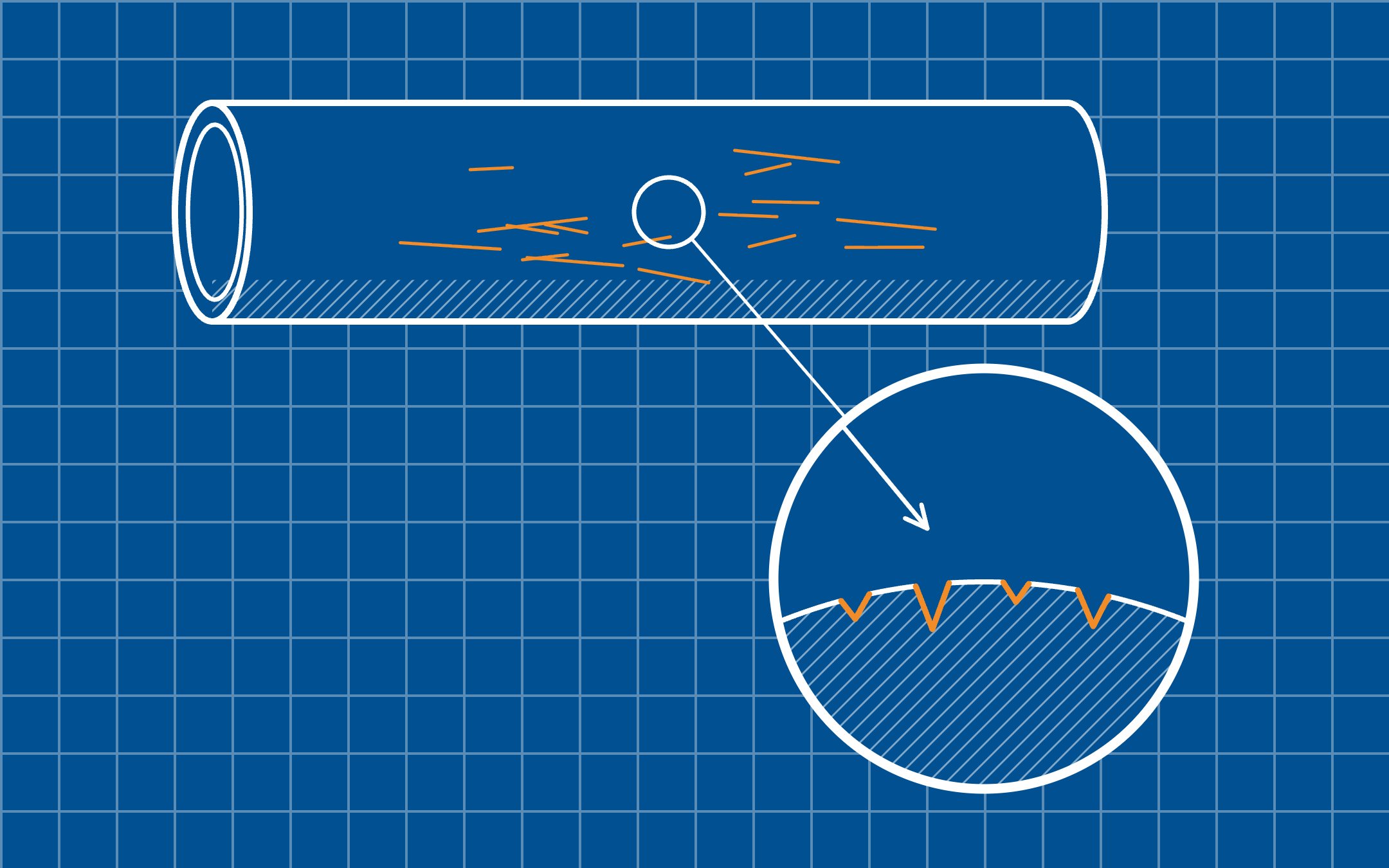
Removing scratches on a round workpiece
Remove scratches on tubes and round parts, nicely all around.
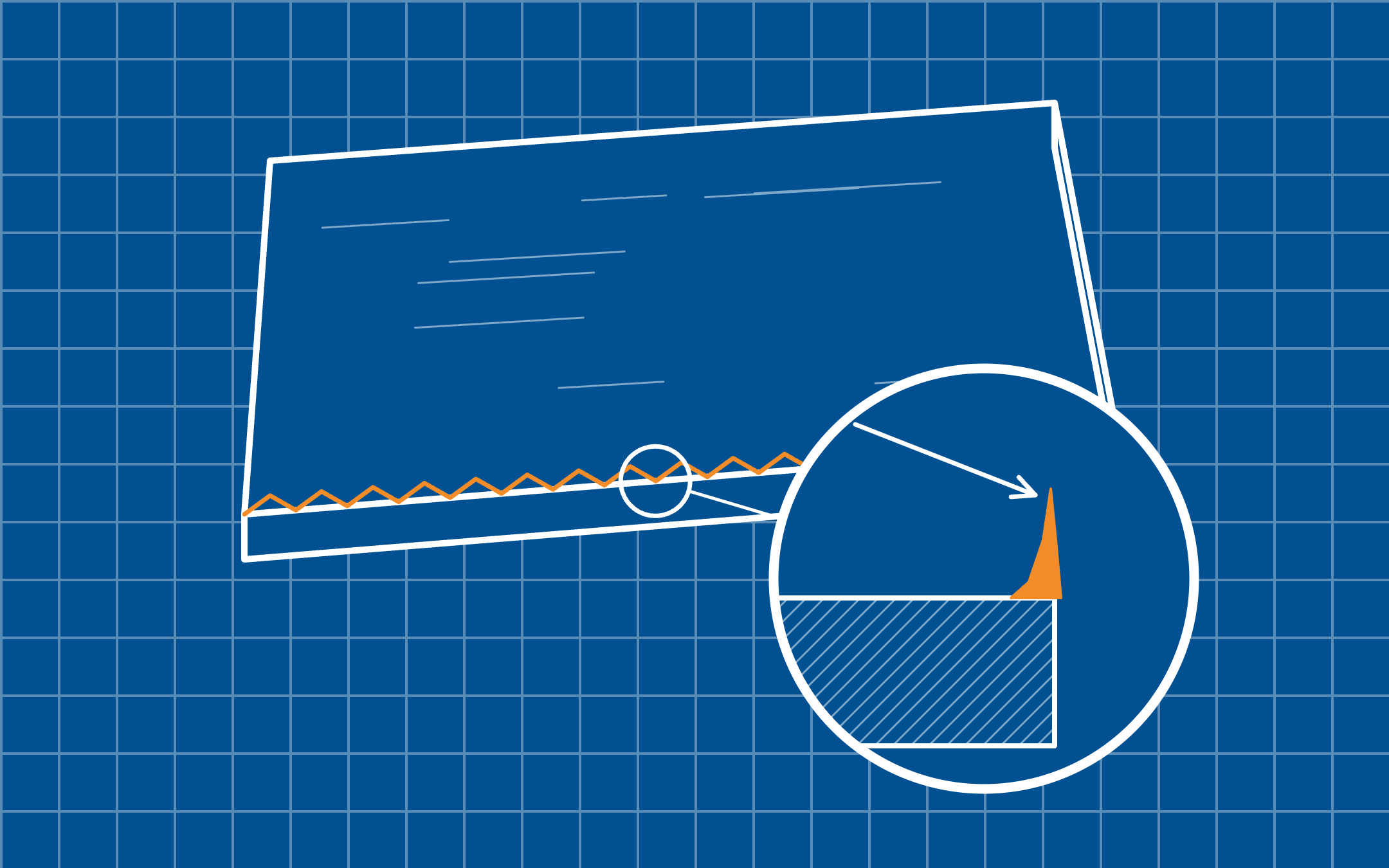
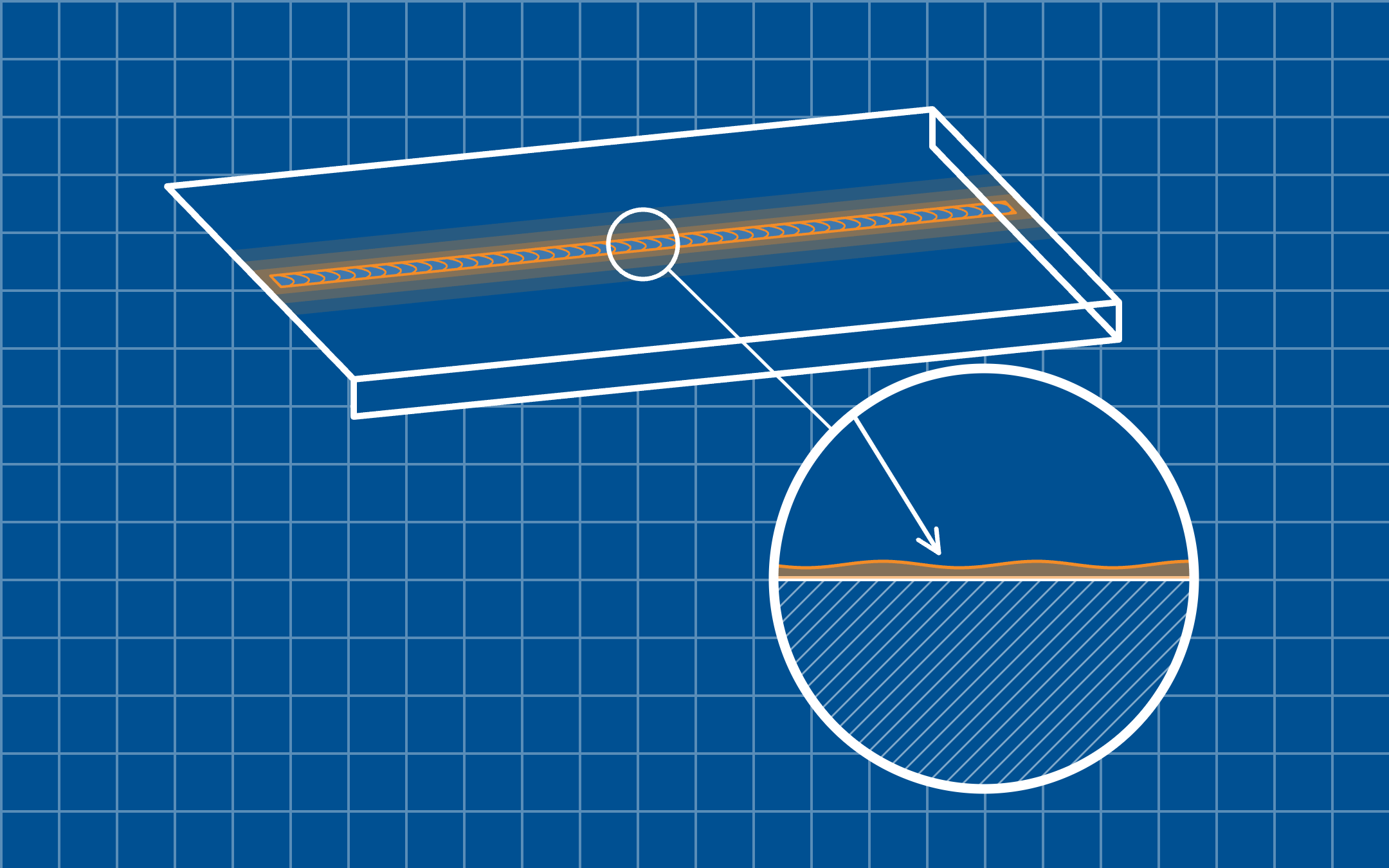
Removing weld discolouration or paint
Remove heat tint and paint mechanically, without pickling.
Finishing
An even finish that you achieve every time. Always start with pre-grinding.
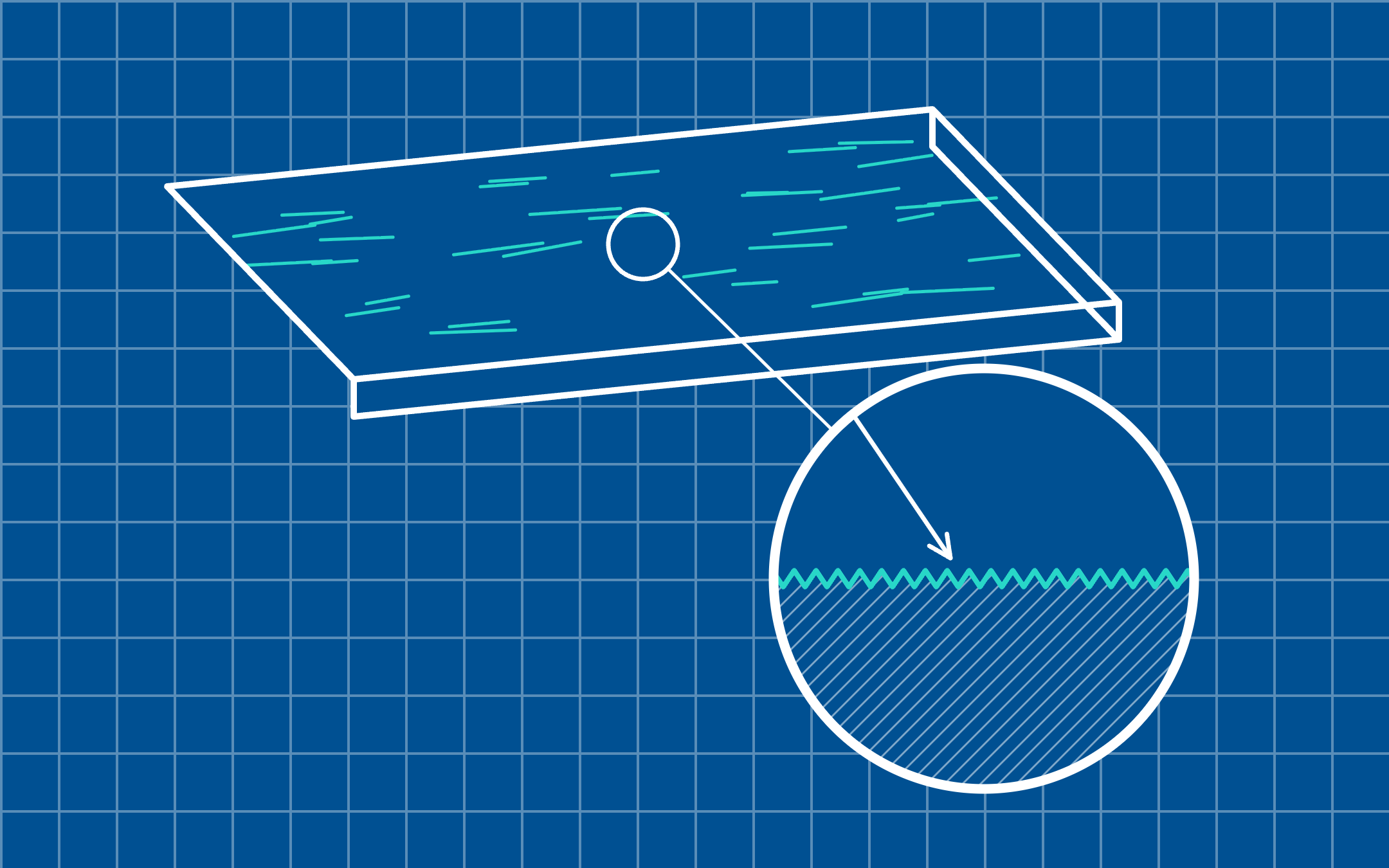
Pre-grinding for the final finish
The basis for every finish: an even surface without deep scratches, ready for the last step.
Choose your final finish
After pre-grinding, choose the finish you want to achieve.
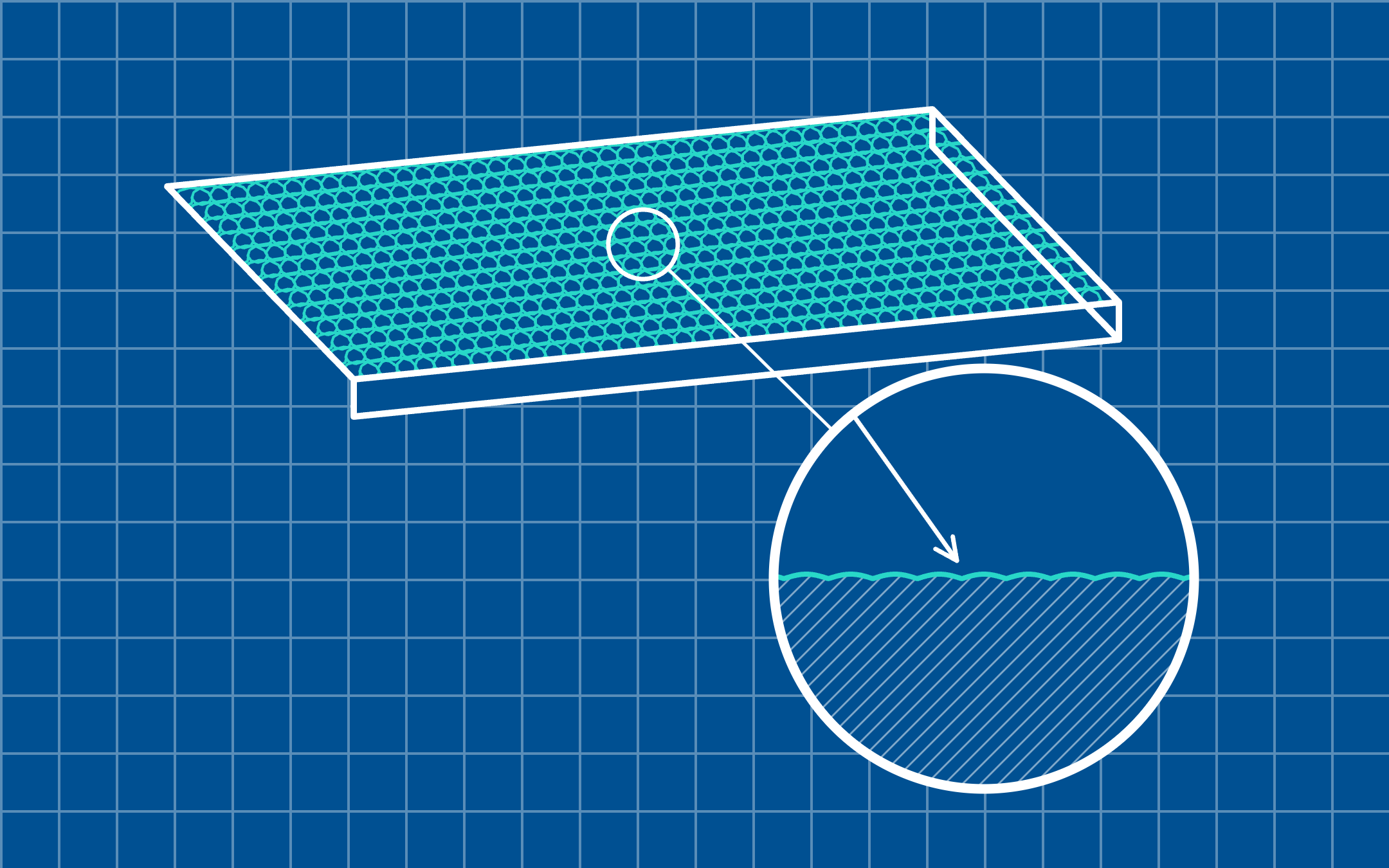
Structuring or orbital grinding
An even, matt structure without a visible grinding direction.
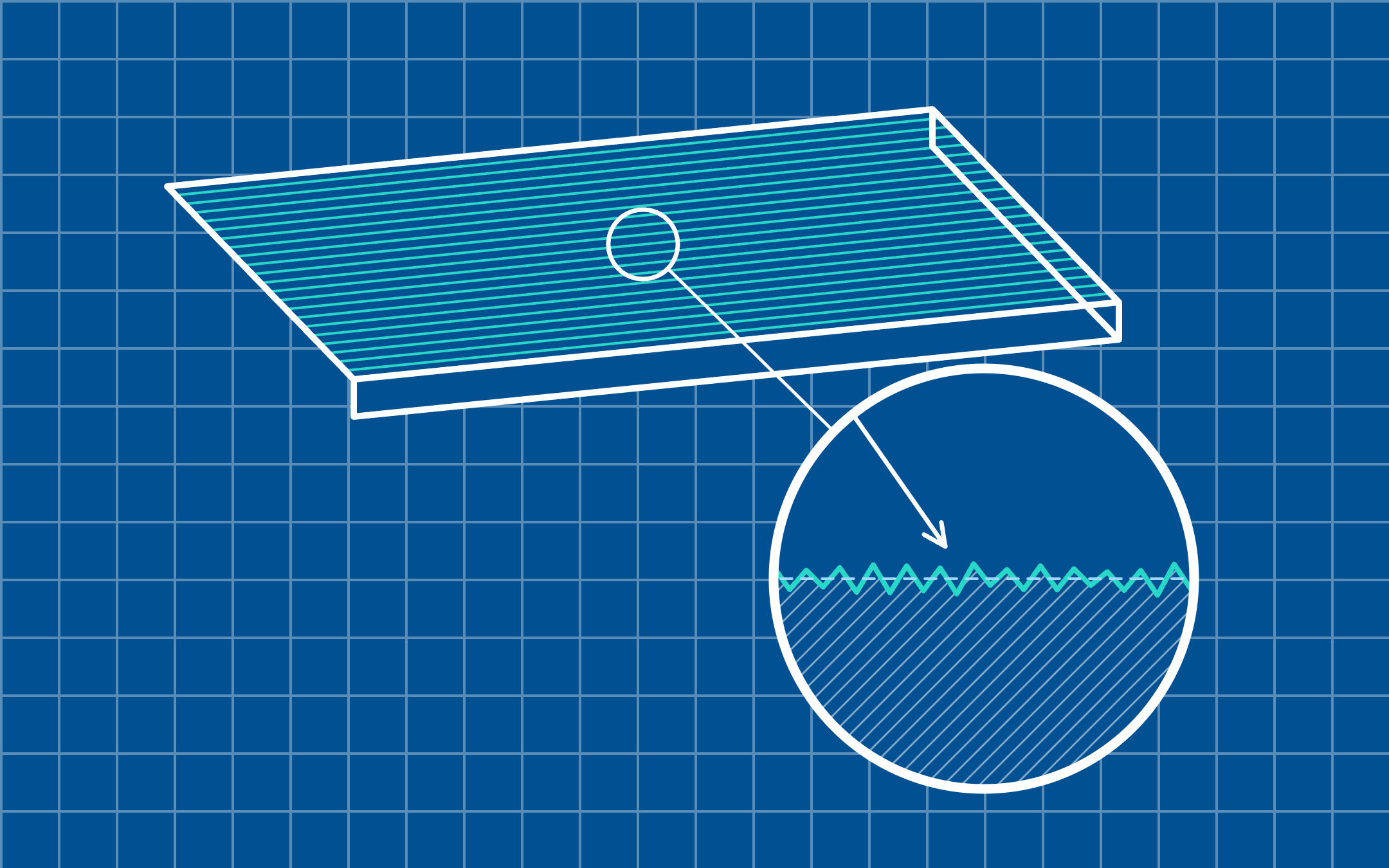
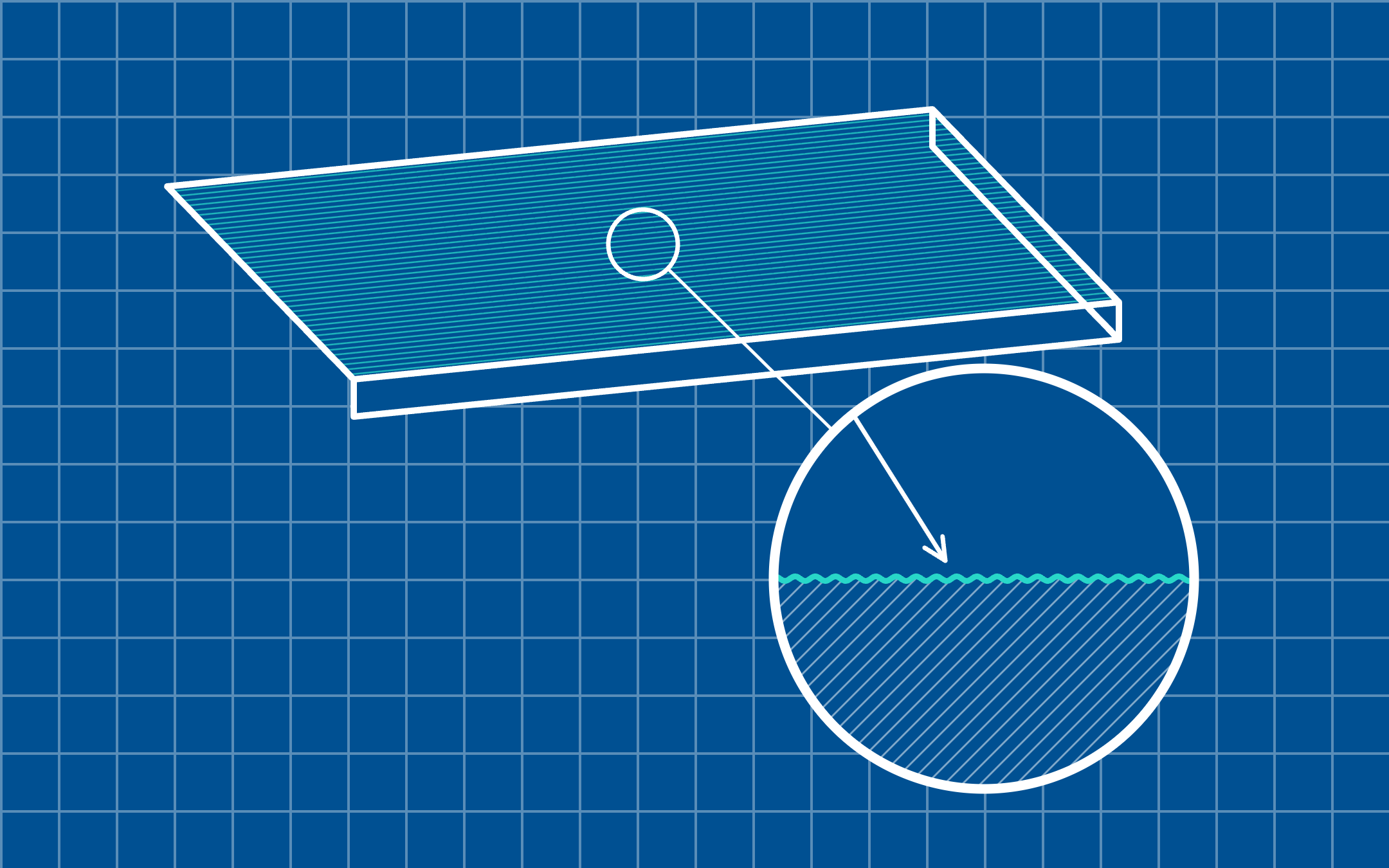
Common mistakes when working on stainless steel
Stainless steel is chosen for its durability, corrosion resistance and high-quality appearance. That’s exactly why small mistakes in material choice or method show immediately in the finish.
Unsuitable abrasive
Discolouration, deformation or deep scratches that are difficult to remove.
Choose the right product for each step ›Slow stock removal
You stay in the same spot for long and the operation takes unnecessarily long.
Remove welds faster ›Insufficient preparation
Scratches that remain visible through the finish, or an uneven brushing direction.
Pre-grind properly ›Frequently asked questions about working on stainless steel
What is the difference between stainless steel and inox?
There is no difference: stainless steel and inox are two names for the same material. In Belgium and France it is often called inox, in the Netherlands RVS. On these pages, you’ll find the right abrasives for stainless steel for every operation.
In what order do you grind stainless steel?
Work from coarse to fine, in three steps: first remove the weld, then post-process and clean, and only then finish. Don’t skip any grit, otherwise the scratches from the previous step remain visible in the finish.
How do you prevent discolouration when grinding stainless steel?
Discolouration is caused by heat. Work with light pressure, keep moving and grind in short intervals. Also choose abrasives that grind cool, such as the LKGR grip disc for welds or the FAG unitized disc for finishing.
Which grit size do you need for grinding stainless steel?
To remove welds, you usually start with grit 40 to 80. To level, use grit 120 to 180 and for finishing grit 240 or finer. A commonly used final finish is the grit 320 brush finish.
Why do you use separate abrasives for stainless steel and steel?
Abrasives previously used on regular steel leave iron particles on the stainless steel. These start to rust and leave stains on the surface. That’s why you use separate abrasives and brushes with stainless steel wire, such as the BRIS.
Can you remove weld discolouration on stainless steel without pickling?
Yes. With the Rebel One F-line, you remove weld discolouration mechanically in one step, without acids. You’ll find more information under removing weld discolouration on stainless steel.